Table of Contents
ToggleTiny house kits have moved beyond niche fantasy into practical reality, and Amazon tiny house kits are leading the charge. Whether you’re looking for a guest house, a backyard retreat, or a full-time downsizing solution, these prefabricated packages offer a faster, simpler path to building than starting from scratch. Unlike hiring contractors for a traditional build, an Amazon tiny house kit arrives with materials pre-cut and instructions ready to follow. This guide walks through what’s actually available, what to expect during assembly, real costs involved, and whether a kit is the right fit for your situation.
Key Takeaways
- Amazon tiny house kits offer a faster and more predictable building alternative to traditional construction, with total costs typically ranging from $36,500–$68,000 depending on kit size and included features.
- Budget kits ($8,000–$25,000) suit weekend builds and guest structures, while premium kits ($35,000–$80,000+) come with pre-insulated panels and engineering review, supporting full living spaces.
- Foundation work, permits, and utilities are homeowner responsibilities that often cost more than expected—budget an additional $14,000–$35,000+ beyond the kit price for a complete project.
- Assembly timelines typically run 3–8 weeks for experienced DIYers but should be padded by 30–50% to account for real-world conditions and unexpected delays.
- Tiny house kits work best for guest houses, home offices, downsizing projects, and learning experiences, but face zoning restrictions in suburban areas and financing challenges with traditional mortgages.
- Success depends on honest assessment of your site conditions, skill level, and willingness to handle trades work—a flat, prepared lot with good access dramatically reduces costs and timelines.
What Are Amazon Tiny House Kits?
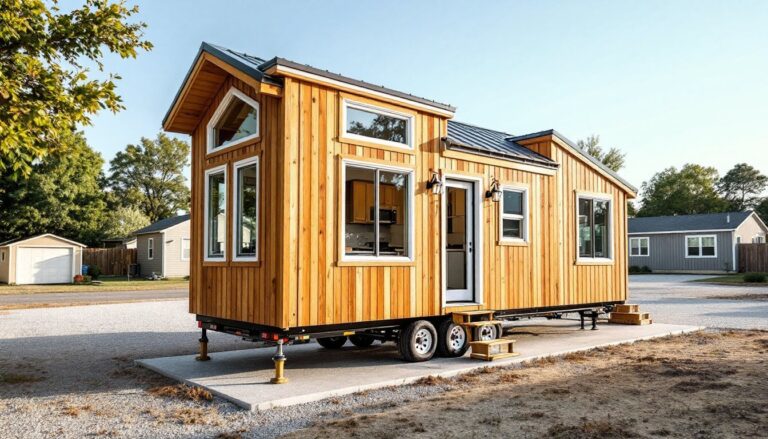
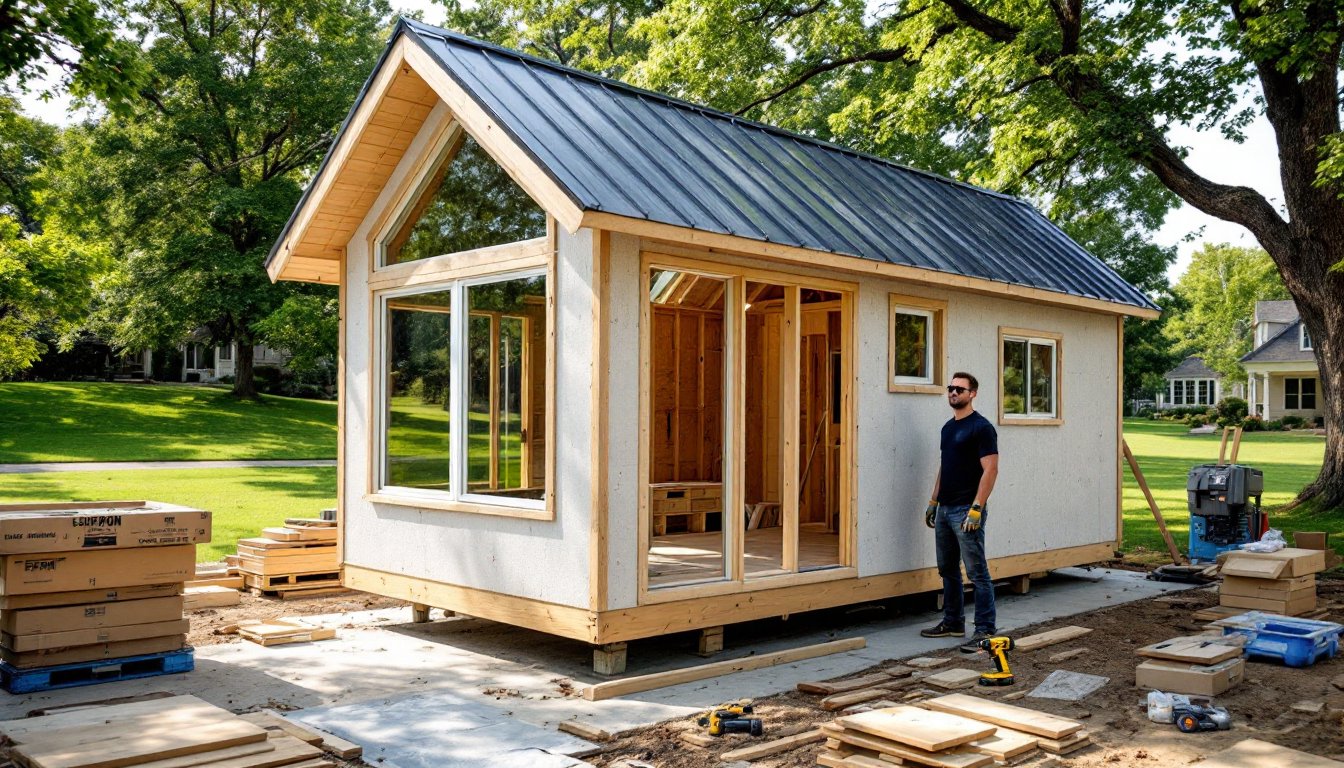
An Amazon tiny house kit is a prefabricated building package, materials, hardware, and instructions shipped directly to your property. These aren’t dollhouse toys: they’re real structures ranging from 120 to 400+ square feet, designed for assembly by homeowners or contractors.
Kits typically include framing lumber (sometimes pre-cut and labeled), roofing materials, wall panels, windows, doors, and fasteners. Some include flooring and insulation: others require you to source those separately. The appeal is speed and simplicity: you’re bypassing the traditional design-build timeline where permits, contractor availability, and material sourcing can stretch projects to a year or more.
Tiny house kits fall into two categories. Traditional timber-frame designs use exposed beams and offer rustic aesthetics but require intermediate carpentry skills. Panel-based systems come with pre-assembled wall sections you bolt together, cutting assembly time significantly. Most kits assume you have basic tools: a circular saw, drill, level, tape measure, and safety gear (goggles, work gloves, dust masks). Some projects require equipment rental, a nail gun or scaffolding, for instance.
One key difference from buying a prefab home: you’re responsible for foundation, site preparation, and final finishing. A kit doesn’t include concrete work, electrical rough-in beyond framing readiness, or plumbing, those are trades work that may need permits and licensed professionals depending on your jurisdiction.
Top Tiny House Kits Available on Amazon
Amazon’s tiny house offerings have expanded. Several manufacturers now list kits directly, ranging from modest weekend builds to serious structural projects. Pricing and features vary widely, so knowing what separates budget options from premium offerings helps you match a kit to your actual needs and timeline.
Budget-Friendly Options
Budget kits typically run $8,000 to $25,000 and are stripped down: basic framing, roofing, and hardware. Brands offering entry-level kits include designers producing open-frame structures or simple A-frame cabins. These work well for garden studios, guest sheds, or temporary shelters on raw land.
What you’re trading off: minimal insulation, small square footage (100–200 sq ft), basic windows, and finish work is on you. Assembly usually takes 3–5 weeks for a two-person team working weekends. Shipping can add $2,000–$5,000 depending on distance and kit weight. You’ll need a relatively level site and basic site prep (gravel pad or simple concrete foundation).
For anyone exploring prefab tiny housing, six prefabricated tiny homes and studios available on Amazon illustrate the range of styles and price points currently in the market.
Premium Kits With Advanced Features
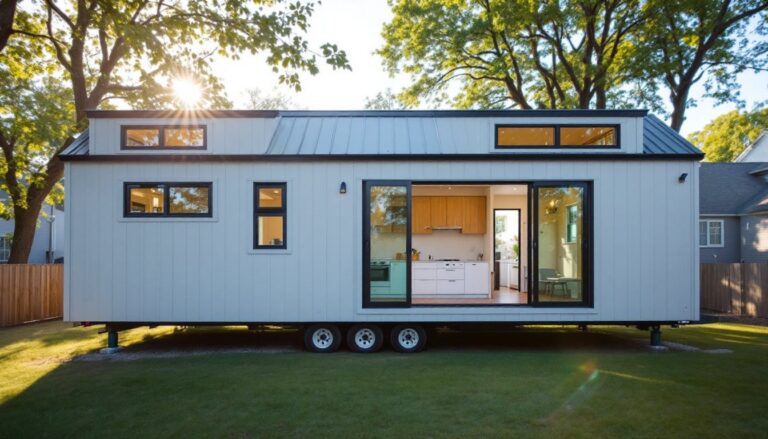
Premium kits ($35,000–$80,000+) come more complete. Expect pre-insulated wall panels, finished interior framing, metal roofing, upgraded windows, and sometimes partial electrical rough-in and plumbing infrastructure. Footprints range from 250–400 sq ft, supporting full living or sleeping spaces with separate kitchen areas.
These kits still require you to handle foundation, site utilities, and final finishes (drywall, painting, flooring), but the structural heavy lifting is engineered and pre-assembled. Assembly timelines are 4–8 weeks for experienced DIYers, or hire a local contractor to oversee it (typically $10,000–$20,000 in labor). Some premium kits include design consultation, helping you adapt the layout to your lot and local codes.
The trade-off: higher upfront cost but significantly less on-site troubleshooting, fewer material shortages, and better warranty coverage. Structural engineers have already signed off on load paths, so you’re not designing as you build.
Installation and Assembly Considerations
Before ordering, honestly assess your site and skill level. Installation problems sink more DIY tiny house projects than design issues.
Foundation work comes first and is non-negotiable. Most kits sit on a concrete pad, adjustable post piers, or a conventional slab. Budget $3,000–$8,000 here depending on ground conditions, drainage, and local frost depth (frost line depth varies significantly by region, check your local building department). A sloped lot, poor soil, or required frost footers can escalate costs fast. This is often where homeowners underestimate: a kit arrives, but the foundation takes longer than assembly.
Skill and timeline assumptions vary. Budget kits assume basic carpentry comfort (reading plans, using a square, fastening lumber). Premium kits with pre-assembled panels are more forgiving. Either way, you need at least one helper for most steps, raising wall panels, roof framing, and alignment all require extra hands.
Permits and inspections matter. Check with your local building department before buying. Some jurisdictions fast-track prefab buildings: others require full structural review and inspections at multiple stages (foundation, framing, electrical, final). This can add 2–4 weeks and $1,000–$3,000 in permit fees. Structural-rated kits (engineered and stamped) move faster through permitting than DIY designs.
Utilities are your responsibility. Most kits frame space for electrical, water, and sewer but don’t include rough-in. Depending on your location, running power from an existing home or well/septic adds $5,000–$20,000+. If the tiny house is a guest house tying into your main home’s utilities, labor is less: off-grid or remote builds cost significantly more. Licensed electricians and plumbers are required in most jurisdictions, don’t skip this.
Cost Comparison and Value for Money
Let’s break down realistic total costs. A budget tiny house kit ($15,000) plus foundation ($5,000), shipping ($3,000), permits ($1,500), electrical/plumbing rough-in ($8,000), and finish materials (drywall, flooring, paint: $4,000) lands you around $36,500–$40,000 for a 150–180 sq ft structure. That’s roughly $220–$270 per square foot, competitive with modular homes and faster than traditional stick-built construction.
A premium kit ($50,000) plus foundation ($6,000), shipping ($4,000), permits ($2,000), and finishing ($6,000) totals $68,000 for a 300 sq ft house. Per-square-foot cost drops to roughly $225, and you’ve invested less personal labor.
By contrast, hiring a general contractor to build a small house from the ground up typically costs $150–$300+ per square foot depending on finishes and location. Tiny house kits aren’t always cheaper per square foot, but they’re faster and impose less risk of cost overruns mid-project. Traditional builds frequently encounter structural surprises, material delays, or contractor scheduling that balloons timelines and invoices.
Value hinges on what you’re solving for: speed, predictability, learning experience, or simply having a guest house ready in a defined timeframe. If budget is the only concern, hiring local labor might be cheaper. If you value control, predictability, and a semi-DIY experience, kits excel.
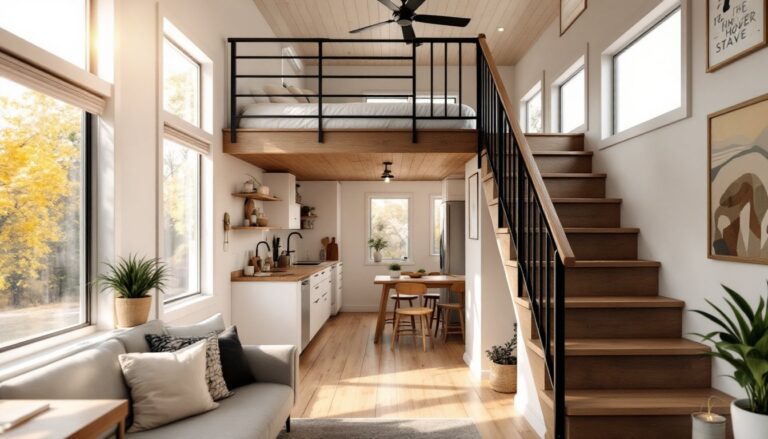
When planning a small space redesign, the same principles, intentional layout, efficient storage, and quality finishes, apply whether you’re upgrading an existing tiny space or building from a kit.
Is a Tiny House Kit Right for You?
Tiny house kits work beautifully for specific situations. If you want a guest house, home office, or creative studio on your property, a kit sidesteps the contractor uncertainty of a custom build. You get a defined scope, timeline, and cost structure.
They also suit downsizers or retirees ready to simplify. A kit arrives faster than searching for a manufactured home or renovating an existing property. Some people buy kits specifically for the learning opportunity: assembling your own shelter teaches real building principles that surprise and empower first-time builders.
They don’t work as well if you’re seeking a primary residence in a suburban neighborhood where zoning likely prohibits them, or if you need customization beyond the kit’s design. Some jurisdictions restrict tiny homes to residential zones or require minimum square footage, so verify local codes before investing. Financing is another hurdle: traditional mortgages don’t easily cover prefab kits, and specialized lenders may require the land and structure bundled together.
Be honest about your site constraints too. If your lot is steep, has poor drainage, or requires significant earthwork, that foundation cost balloons and can exceed the kit price itself. Conversely, a flat, prepared lot with good access shortens timelines by weeks.
For inspiration and practical building approaches on smaller budgets, free DIY furniture plans and beginner-friendly building guides demonstrate how deliberate design and quality execution work at modest scales, principles that apply to tiny house assembly as well.
Final reality check: assemble a kit expecting the actual work to take longer than advertised. Manufacturer timelines assume ideal conditions, good weather, and experienced builders. Add 30–50% to estimates, and you’ll be pleasantly surprised rather than frustrated. Have a second person committed to the project, source tools upfront, and block off consecutive weekends rather than scattered efforts that lose momentum.
Conclusion
Amazon tiny house kits represent a genuine alternative to traditional construction, offering speed and predictability at a middle ground between DIY from scratch and hiring contractors entirely. They’re not perfect for every situation, but they’re excellent for homeowners who want control, transparency, and a defined finish line. Evaluate your site, permits, and actual skill level honestly, budget generously for foundation and utilities, and choose a kit aligned with your finishing tolerance. The result isn’t just a structure, it’s a tangible reminder that with the right blueprint and materials, you can build something real with your own hands.