Table of Contents
ToggleDiscovering tiny gnats and fruit flies buzzing around your kitchen is never welcome. These pests breed fast, a single female fruit fly can lay 500 eggs in a week, turning a minor annoyance into a full-blown infestation within days. Unlike larger household pests, gnats and fruit flies don’t carry disease, but they contaminate food, leave trails in produce, and announce poor sanitation to anyone visiting your home. The good news: you can eliminate them with basic household items and prevention strategies that don’t require calling an exterminator. This guide covers exactly how to identify, trap, and permanently get rid of gnats and fruit flies so they don’t come back.
Key Takeaways
- Identify whether you have fruit flies (tan/reddish-brown with red eyes) or fungus gnats (dark/nearly black) breeding in your home, as each requires slightly different elimination strategies.
- An apple cider vinegar trap with dish soap is the most effective DIY method to eliminate tiny gnats and fruit flies within 3–5 days when combined with removing breeding sources.
- Eliminate breeding grounds immediately by refrigerating ripe fruit, cleaning drains with baking soda and vinegar, allowing moist plant soil to dry, and using trash cans with tight-fitting lids.
- Gnats and fruit flies multiply rapidly in warm, humid environments above 70°F with moisture present, so control humidity and fix leaky faucets to collapse colonies.
- Maintain long-term prevention by storing produce in the refrigerator, running boiling water down drains weekly, watering houseplants only when soil is dry, and wiping down kitchen surfaces daily.
What Are Gnats and Fruit Flies?
Gnats and fruit flies are small insects, but they’re actually different pests with overlapping habits. Fruit flies are about 1/8 inch long, tan to reddish-brown, with distinctive red eyes. They thrive on fermenting or decaying organic matter, overripe fruit, spilled juice, or clogged drains are their favorite breeding grounds. Fungus gnats, by contrast, are thinner and darker (nearly black), and they breed in moist soil and potting mix. Both types live only 8–10 days as adults, but reproduce so rapidly that you’ll see new generations within 24–48 hours if conditions remain favorable. Knowing which pest you’re dealing with matters because the elimination strategy differs slightly. Fruit flies need access to fermenting food: fungus gnats need wet soil. Both, but, require the same core solution: remove their breeding habitat and trap the adults.
Why You Have Gnats and Fruit Flies in Your Home
Gnats and fruit flies don’t appear out of nowhere. They hitchhike into your home on fresh produce, or they emerge from existing breeding sites you’ve overlooked. Even a tiny piece of forgotten fruit under the counter, a slow-draining sink, or moist potting soil in a houseplant can sustain an entire colony. High heat and humidity (70°F and above, with moisture present) accelerate their breeding cycle. If you’ve never had an infestation before, you’ll be shocked how quickly it escalates once they establish a foothold.
Common Sources and Breeding Grounds
Kitchen and Food Storage: The primary culprit is ripening or fermenting fruit and vegetables. Bananas, avocados, and tomatoes are high-risk: so are overflowing compost bins and trash cans without tight lids. Even a single grain of spilled juice in a corner can support hundreds of flies.
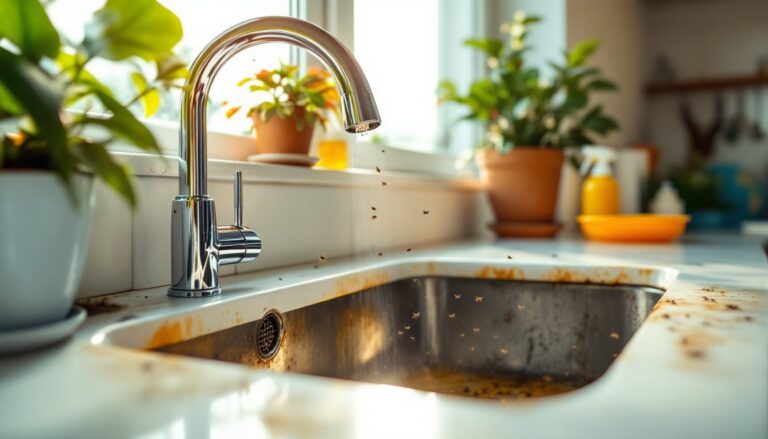
Drains and Pipes: Kitchen and bathroom drains accumulate organic debris, hair, skin cells, food particles, that creates perfect breeding grounds. Fruit flies and gnats thrive in the biofilm lining your drain walls. A slow or backed-up drain is a red flag.
Potted Plants and Soil: Moist potting mix is a fungus gnat paradise. Overwatered houseplants, plants sitting in saucers of standing water, or pots without drainage holes create ideal breeding conditions. Even decorative moss or peat-based soil retains moisture that gnats love.
Damp Areas: Leaky faucets, condensation around windows, wet basements, and humid bathrooms all support gnat breeding. They need moisture, warmth, and decaying organic matter, remove one element and the colony collapses.
Quick Fixes for Immediate Relief
If you have an active infestation, you need to act fast. Adult gnats and fruit flies have a lifespan of only 8–10 days, so trapping and killing existing adults while eliminating breeding sites is your fastest path to relief. You won’t see results overnight, but most infestations collapse within 3–5 days of consistent trapping and sanitation.
Start with immediate cleanup: Remove all ripe, fermenting, or damaged fruit from countertops and store it in the refrigerator or a sealed container. Clean out your trash can, take out the garbage, and wipe down any sticky spots on counters or floors where juice or food residue lingers. Don’t skip the drains, run hot water and pour boiling water down them to disrupt breeding. If you have houseplants, check the soil. If it’s soggy, hold off watering and let it dry out slightly: don’t drown plants trying to kill gnats.
DIY Traps and Baits
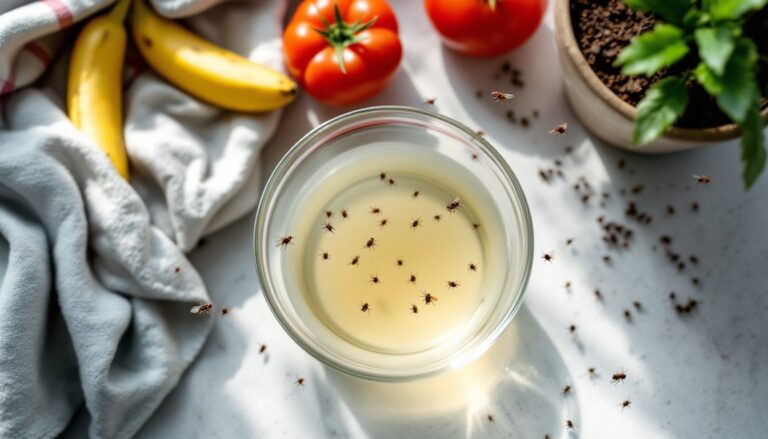
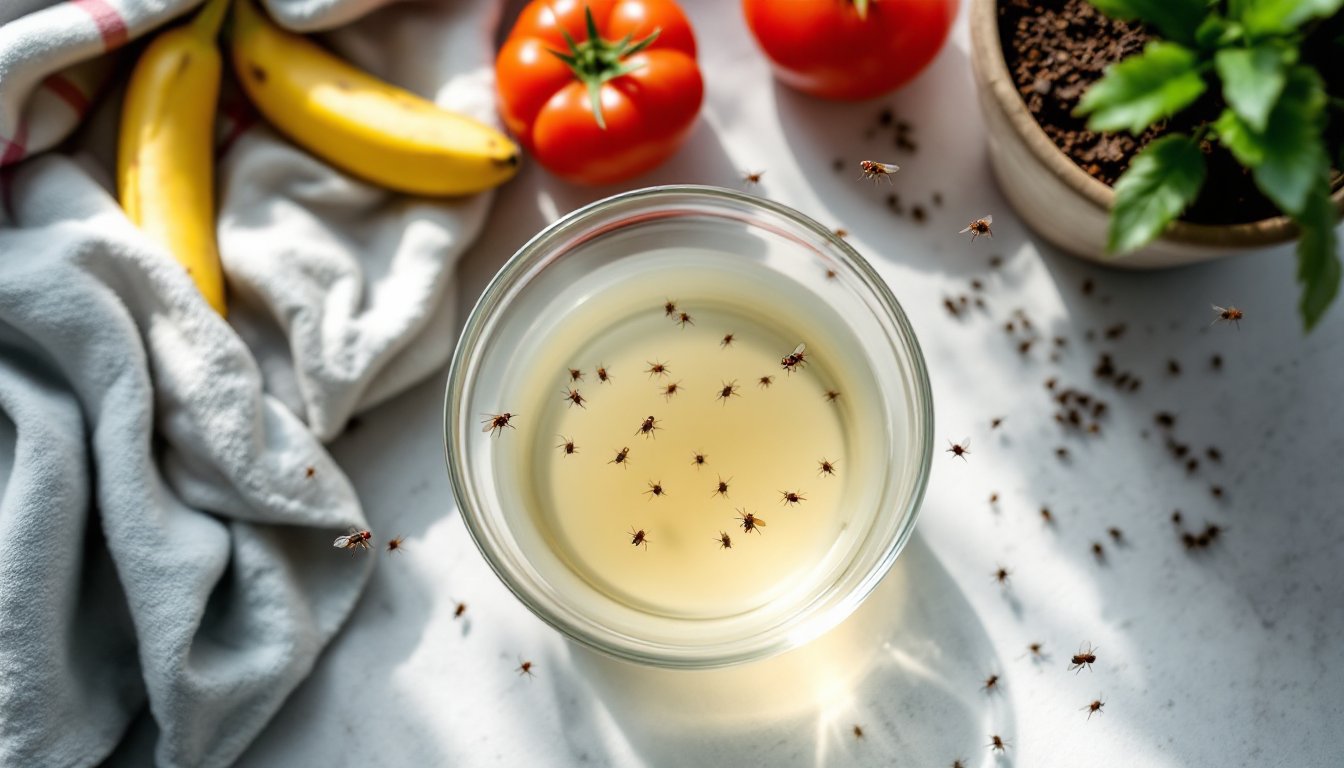
Apple Cider Vinegar Trap (Most Effective): This is the workhorse method. Mix 1 part apple cider vinegar with 1 part water in a small bowl or jar, add 3–4 drops of dish soap, and leave it uncovered on the counter where you see the most activity. The soap breaks the surface tension so flies can’t escape once they land. Replace it daily. You should see dead flies within hours. The same trap works in or near plant soil for fungus gnats.
Wine or Beer Trap: If you don’t have vinegar, any fermented liquid works. A bowl of cheap red wine or beer with a drop of dish soap will attract and drown gnats. Less effective than vinegar but it works in a pinch.
Plastic Wrap Trap: Pour vinegar and a few drops of dish soap into a bowl, cover tightly with plastic wrap, and poke small holes in the top. Gnats enter but can’t escape. This contains odor better if you prefer not to have an open bowl on the counter.
Drain Cleaner: Pour 1/2 cup baking soda down the drain, followed by 1/2 cup white vinegar. Let it sit for 30 minutes, then flush with boiling water. Repeat every 2–3 days if you suspect drains are a breeding source. This disrupts the biofilm where larvae live without needing harsh chemicals. For stubborn drain infestations, fungus gnat elimination strategies include enzyme-based drain treatments available at hardware stores.
Expectations: You’ll trap dozens or hundreds of flies on the first day, fewer on days 2–3, and none by day 5–7 if you’ve also eliminated their breeding sites. If traps continue to fill up after a week, you’ve missed a breeding source, check less obvious places like the bottom of trash cans, underneath appliances, or window sills where moisture collects.
Long-Term Prevention Strategies
Killing the current infestation is one thing: keeping gnats and fruit flies out permanently is another. Prevention requires discipline about food storage, moisture control, and routine cleanup. The payoff is never dealing with this frustration again.
Sanitation and Cleanup Practices
Fruit and Vegetable Storage: Store ripening fruit in the refrigerator, not on the counter. Yes, this affects flavor slightly, but it stops fermentation dead and eliminates the breeding signal. If you prefer fruit on the counter, buy smaller amounts and eat it faster. Any produce showing soft spots or mold goes straight to an outdoor bin or garbage disposal.
Drain Maintenance: Once weekly, run boiling water down kitchen and bathroom drains, or pour baking soda followed by vinegar. This prevents biofilm buildup and disrupts any early-stage breeding. If you have a garbage disposal, run it with hot water and a drop of dish soap. A clean drain is a gnat-free drain.
Trash and Compost: Use trash cans with tight-fitting lids, especially if you discard food scraps. Take out garbage at least twice a week in warm months. If you compost indoors, keep it in a sealed container away from the kitchen, or move it outdoors. A loose compost pile on the counter is a gnat fertility clinic.
Plants and Soil: Water houseplants only when the top inch of soil is dry. Remove saucers or trays that hold standing water, roots sitting in water breed gnats. If you notice gnats in potting mix, let the soil dry out completely (the plant will survive a few days without water: the gnat colony won’t survive dry soil). You can also repot with fresh, dry soil and discard the old mix. Indoor orchids and ferns are particularly gnat-prone because they demand humidity: isolate them from other plants and monitor closely.
Kitchen Surfaces: Wipe down counters and inside appliances daily. Don’t leave dishes in the sink overnight. A single grain of rice or a sticky spoon can seed a colony. Crumbs under the refrigerator or stove are invisible to you but visible to gnats, clean those spaces quarterly with a thin brush or vacuum.
Humidity Control: Gnats thrive in moist environments. Use a dehumidifier in basements or bathrooms if humidity exceeds 60%. Fix any dripping faucets or leaking pipes immediately, water damage is expensive, and leaks attract pests. Ensure bathroom exhaust fans vent outside, not into attics or crawl spaces.
Screening and Sealing: In warm months, keep windows and doors closed or use fine mesh screens. Gnats can slip through standard screens: home organization and cleaning resources often discuss weatherproofing techniques that seal gaps around doors and windows, preventing entry.
Once you’ve eliminated an infestation and adopted these practices, you won’t see gnats or fruit flies again. Most homeowners maintain these habits without thinking, it’s just good housekeeping. If they do return months later, it’s a sign you’ve relaxed one of these routines (usually fruit storage or drain maintenance) and they’ve snuck back in from outside. Catch it early with a trap, tighten up the prevention, and you’re done.