Table of Contents
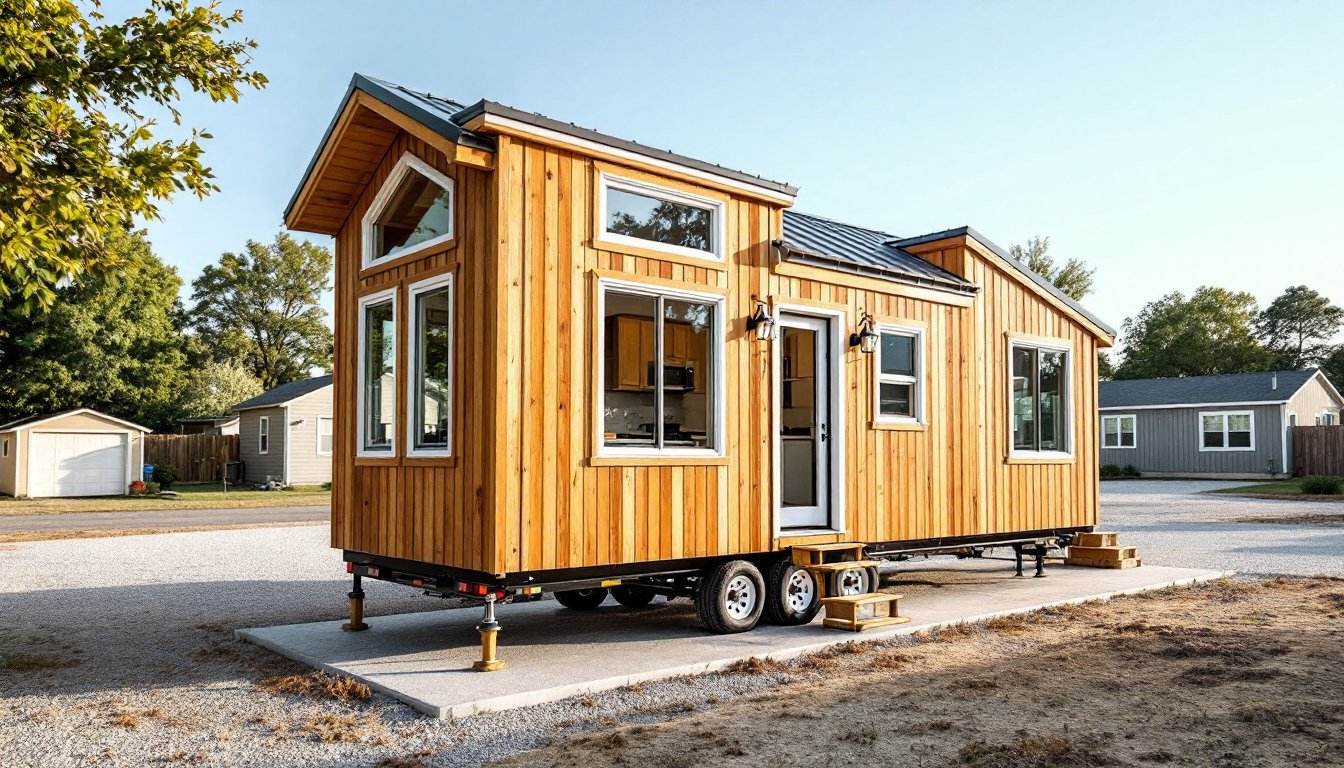
ToggleTumbleweed tiny house plans have become a blueprint for modern minimalist living, offering a practical escape from bloated mortgages and endless square footage. Founded by Jay Shafer in 2002, Tumbleweed Houses pioneered the movement toward full-featured tiny homes on wheels, not cramped RVs, but genuine dwellings with real kitchens, full-size bathrooms, and quality woodwork. For homeowners and DIY enthusiasts, these plans deliver a tangible roadmap: exactly how to frame walls, position utilities, and maximize every cubic inch. Whether you’re building for yourself or curious about the logistics, understanding what makes a Tumbleweed design tick helps you evaluate if this lifestyle fits your budget and skill level.
Key Takeaways
- Tumbleweed tiny house plans are engineered blueprints for 120–400 sq ft homes on trailers that meet IRC codes and include detailed structural, electrical, and plumbing specifications—unlike generic DIY sketches.
- Multi-purpose spaces, high-quality materials, and intentional craftsmanship define Tumbleweed designs, from diagonal staircases and murphy beds to oversized windows and wet rooms that maximize functionality in tight quarters.
- Building a Tumbleweed tiny home costs $30,000–$150,000 depending on materials and labor, with owner-builders investing 1,000–2,000 hours and needing to budget 15–20% extra for contingencies and code compliance.
- Popular models like the Lusby (165 sq ft, $40,000–$70,000) and Cypress (400 sq ft, $100,000+) offer scalable options for different budgets and family needs, with trailer specifications and weight ratings critical to safe design.
- Electrical, plumbing, and insulation work requires licensed professionals or experienced guidance; mistakes in these systems are unsafe and expensive, making partnerships with experienced builders essential for first-time DIY projects.
- Rent a Tumbleweed tiny home first to test whether the lifestyle genuinely works for your needs before committing to the significant time, skill, and financial investment of building one.
What Are Tumbleweed Tiny House Plans?
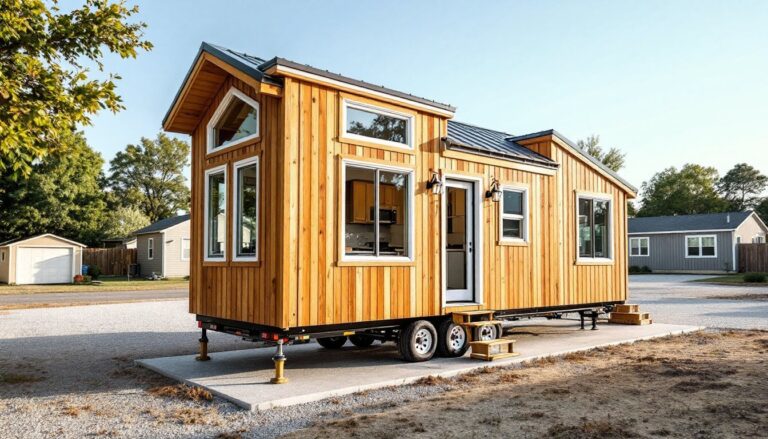
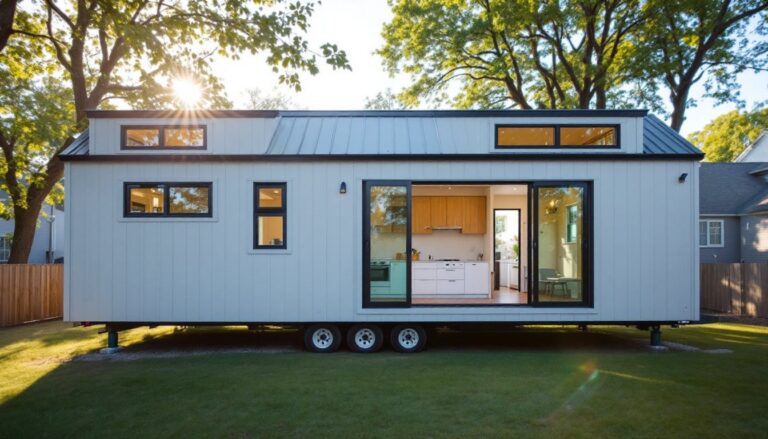
Tumbleweed tiny house plans are detailed architectural blueprints for building a complete dwelling typically between 120 and 400 square feet, mounted on a trailer foundation. Unlike vague internet sketches or architectural renderings, these are engineered plans that meet or exceed IRC (International Residential Code) requirements, include foundation sizing, structural calculations, and utility layouts. Each plan accounts for regional snow loads, wind pressures, and transportation axle ratings, practical details most DIY sketches ignore. Builders purchase either PDF digital plans or printed sets that detail framing sequences, electrical runs (wired for either 30-amp or 50-amp RV service), plumbing stacks, and material lists. The plans come from Jay Shafer’s original work and subsequent iterations by his company and licensed designers following his philosophy: live smaller, but don’t sacrifice function or beauty.
Key Features of Tumbleweed Designs
Tumbleweed plans prioritize three core principles: multi-purpose spaces, high-quality materials, and intentional craftsmanship. A loft bedroom doubles as storage and thermal mass. Kitchen islands serve as dining tables. Built-in benches hide tools and linens. This philosophy drives decisions about ceiling height, window placement, and material selection, every inch counts. Most designs incorporate 8.5-foot interior ceiling height (standard loft clearance), cathedral or cathedral-lite roof pitches for headroom, and strategically placed skylights to avoid claustrophobia. Materials often include real hardwood trim, tile or concrete counters, and quality cabinetry rather than RV-grade flimsy particleboard. Load-bearing wall placement follows logic: vertical studs align with trailer frame rails, reducing flex and creaking.
Space-Saving Layout Innovations
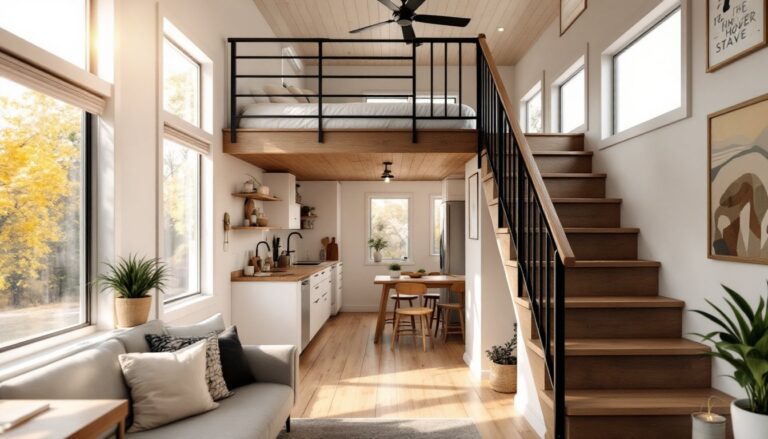
Innovations in Tumbleweed designs include diagonal staircases (using less linear floor space than straight stairs), fold-down desks, overhead cabinetry, and murphy beds integrated into wall systems. Windows are oversized relative to the home’s footprint, creating psychological space and natural light, both critical in tight quarters. Kitchens use galley or L-shaped layouts (the standard for commercial galleys applied to 80 square feet). Bathrooms employ corner sinks, compact fixtures, and wet rooms where the shower and toilet sit on the same drainage plane, eliminating traditional walls. The trailer hitch and tongue occupy roughly 4 feet, unused interior space: clever plans account for this by angling the front wall or creating a utility closet in that zone. One example: the Cypress plan places the water heater and electrical panel in a dedicated nosecone closet, freeing the living area from mechanical clutter.
Popular Tumbleweed Models and Floor Plans
The Lusby is the entry-level plan: 165 square feet on a single 24-foot trailer axle, with a front-facing loft, galley kitchen, and living area that converts to sleeping space. Walls use 2×4 studs on 16-inch centers, standard framing that costs less than specialty materials and works with ordinary lumber yards. The foundation sits on eight adjustable feet, not a skirt system, keeping utility access simple. The Farallon steps up to 240 square feet with two distinct bedrooms, allowing families or roommate scenarios: it requires a tandem (dual) axle setup rated for approximately 14,000 pounds. This plan uses interior dimensions of 8 feet 6 inches wide by 30 feet long, maximizing legal road width (8.5 feet is the DOT limit for single-axle trailers: tandem trailers can be slightly wider but still must be 8.5 feet). The Cypress, often cited as a luxury option, pushes to 400 square feet with a full ground-floor bedroom, two bathrooms, a loft office, and a real dining area, essentially a small studio apartment on wheels. Cost and complexity scale accordingly: the Lusby might total $40,000 to $70,000 in material and labor for an owner-builder, while a Cypress can exceed $100,000. These figures vary wildly by region, supply chain, and whether you’re doing sweat equity yourself. Jay Shafer’s original designs and licensed variants available through Tumbleweed Houses remain the gold standard: other designers have released compatible plans, but vetting structural integrity and code alignment matters before purchase. Small space living ideas from sources like Apartment Therapy also offer inspiration for interior arrangements compatible with these footprints.
Cost Considerations and Budgeting
Building a Tumbleweed tiny home costs between $30,000 and $150,000 depending on material choices, whether you’re paying labor or doing it yourself, and regional market factors. Framing lumber alone for a 250-square-foot structure runs $3,000 to $6,000 (2×4s, 2×6s, plywood, OSB). Roofing, typically a standing-seam metal or asphalt shingle system, costs $2,000 to $5,000. A full kitchen (cabinetry, countertop, appliances) ranges $5,000 to $12,000: bathrooms, $3,000 to $8,000. Electrical rough-in and inspection runs $1,500 to $3,000: plumbing, $2,000 to $5,000. Trailer fabrication or purchase of a used 24-foot or 30-foot trailer frame costs $3,000 to $10,000. Owner-builders save labor costs but invest significant time, most estimates suggest 1,000 to 2,000 hours for a complete build, depending on experience and whether systems are purchased prefab or built on-site. Budget contingency: add 15–20% for overruns, learning curve mistakes, and code revisions discovered mid-build. Financing is the hardest part: most banks won’t mortgage a home on a trailer (it’s technically an RV from an insurance perspective), so builders use construction loans, personal loans, or cash. Some manufacturers and designers offer payment plans. Check zoning regulations in your target location before committing funds, some municipalities prohibit dwelling on trailers, while others have specific codes for RVIA (RV Industry Association) or site-built hybrid standards.
Building Your Tumbleweed Tiny Home
Building begins with the trailer frame inspection and leveling on a concrete foundation or adjustable feet. Wear safety glasses and gloves when handling treated lumber or fasteners: lumber treated with copper compounds can irritate skin. Frame walls flat on the ground using plan-specified stud spacing (typically 16-inch on-center), then raise and brace them. Ensure studs are straight by sorting through the lumber pile first, warped 2×4s create crooked walls. Install 1/2-inch plywood sheathing and house wrap before exterior cladding (metal siding, board-and-batten, or composite): this step prevents air leakage and protects the structure from weather during construction. Run electrical before drywall: rough-in all 14 AWG or 12 AWG wire in conduit, install junction boxes, and hire a licensed electrician for final hookup to the utility disconnect box (often an RV-style pedestal or breaker panel). Plumbing similarly runs before internal walls close up, use PEX tubing or copper for supply lines and 2-inch ABS for drainage. Insulation typically runs R-15 to R-21 in walls and R-30 to R-49 in roofs and floors, depending on climate zone. In cold climates, undersized insulation leads to condensation and mold: consult local IRC requirements. Interior finishes, drywall, cabinetry, flooring, come last. Use cement board (Durock, HardieBacker) in wet areas, not standard drywall. Flooring materials vary: vinyl plank, real wood (watch for cupping due to moisture swings), or polished concrete. The learning curve is real: first-time builders often underestimate finish-out time and encounter surprises when doors don’t close or cabinets don’t fit. Joining experienced builders on-site, watching build-alongs from designers, or reading detailed journals from past builders cuts mistakes in half. For woodworking tasks like building custom cabinetry or installing trim, beginner woodworking projects provide solid reference material. If you’re new to electrical or plumbing, hire a licensed tradesperson for rough-in and final inspection: mistakes here are expensive and unsafe.
Conclusion
Tumbleweed tiny house plans transform the abstract idea of downsizing into a concrete roadmap with structural logic, material specifics, and proven layouts. They’re not a shortcut, building one demands skill, patience, and honest assessment of your DIY capability. But for those committed to the work, they offer genuine sustainability, financial freedom, and a home genuinely tailored to how you live. Start with a plan that matches your skill and timeline, budget conservatively, and don’t skip inspections. Many rentable Tumbleweed tiny homes exist where you can experience the lifestyle before building: exploring rentable tiny homes first answers the question that matters most: does this actually work for you?