Table of Contents
ToggleMost people kill their houseplants by accident, and more often than not, the culprit isn’t neglect, it’s bad soil. Grab a handful of that dense, compacted potting mix from the big-box store, and you’re already fighting an uphill battle. House plant soil is one of the easiest, cheapest ways to set your indoor garden up for success, yet it’s routinely overlooked. The right soil drains properly, retains just enough moisture, provides nutrients, and gives roots room to breathe. This guide walks through what makes house plant soil work, how to pick the right mix for your plants, and even how to blend your own for a fraction of the cost.
Key Takeaways
- Poor drainage is the #1 killer of houseplants, so choosing the right house plant soil with proper aeration is essential to prevent root rot and fungal issues.
- Quality house plant soil performs four critical functions: anchors roots, retains moisture without waterlogging, provides nutrients, and allows air circulation.
- Specialized potting mixes target specific plants—cacti and succulents need gritty, fast-draining mixes, while ferns and tropical plants prefer soil that retains more moisture and organic matter.
- You can blend your own house plant soil at home for about a quarter of the cost of commercial bagged soil using simple ratios of coco coir, perlite, and compost.
- Always check potting soil bag labels for ingredient lists and texture quality; dense, compacted mixes indicate poor aeration, so choose light and fluffy soil for healthier plants.
- Repot annually with fresh soil since potting soil degrades and compacts over time, especially for fast-growing houseplants that depend entirely on soil nutrients and drainage.
Why the Right Soil Matters for Indoor Plants
Container plants depend entirely on the soil you give them. Unlike plants in the ground, indoor plants can’t send roots deeper to find moisture or nutrients, they’re stuck with what’s in that pot. Poor drainage is the #1 killer of houseplants, leading to root rot and fungal issues. When water sits in soil without proper aeration, roots drown. Conversely, soil that drains too fast leaves plants parched between waterings, and nutrients wash right through before the plant can use them.
Good house plant soil does four essential jobs: it anchors roots, retains moisture without waterlogging, provides nutrients, and allows air circulation. The texture and structure matter just as much as what’s in it. Compacted, heavy soil, like garden dirt or old potting mixes that have settled over time, suffocates roots and creates soggy conditions. Fluffy, well-structured soil mimics the natural growing conditions many houseplants (especially tropicals) experience in their native habitats, where they often grow in dappled shade on forest floors rich with organic matter and aeration.
Understanding Soil Composition and Drainage
House plant soil is a blend, not a single ingredient. Quality potting mixes combine several components, each with a specific job. The base typically includes peat moss, coco coir, or coconut husk, materials that retain water and provide structure. These hold moisture longer than sand or perlite alone, but they’re lightweight enough not to compact.
Perlite and vermiculite are added for aeration and drainage. Perlite (those white, puffy granules you see in mixes) doesn’t hold water: it creates air pockets so roots get oxygen. Vermiculite, by contrast, holds water longer than perlite, so it’s better for plants that prefer consistent moisture, think African violets or ferns. Sand, usually coarse horticultural sand, improves drainage further.
Organic matter, composted bark, compost, or worm castings, feeds plants over time as it breaks down. Some commercial mixes include slow-release fertilizers baked right in, which is handy for the first few months. Drainage is measured by how quickly water passes through: a well-draining mix will let water flow through in seconds, not pool on the surface. You can test this by pouring water onto a sample and watching how it behaves. If water sits or beads up, the mix is too dense for most houseplants.
Types of Potting Soil and Their Best Uses
All-Purpose vs. Specialized Mixes
All-purpose potting soil is your workhorse. It’s a balanced blend suitable for most common houseplants, monsteras, pothos, snake plants, and philodendrons all thrive in it. These mixes typically contain peat moss or coco coir, perlite, and a small amount of compost or fertilizer. They drain better than garden soil but retain enough moisture to keep plants hydrated between waterings. For someone starting out, an all-purpose mix saves you from buying five different bags.
Specialized mixes target plants with specific needs. Cactus and succulent mixes are grittier, heavily amended with sand and perlite to mimic the desert soils these plants evolved in. They drain almost immediately, preventing the rot that kills succulents faster than anything else. Orchid mix is chunky and bark-heavy, mimicking the loose, air-rich environment of tree bark where tropical orchids naturally perch. Seed-starting mixes are fine-textured and sterile, designed to help tiny seeds germinate without fungal issues.
Peat moss-based mixes are traditional and widely available, but they’re not renewable and require harvesting peat bogs. Coco coir is an eco-friendlier alternative made from coconut husks: it performs similarly to peat, though it can be saltier and sometimes needs rinsing before use. Both work well, so your choice often comes down to environmental preference and budget. The best potting soil for container gardening often depends on your plant type and local availability.
How to Choose the Right Soil for Your Plants
Start by knowing what your plant needs. Look at the care tag or do a quick search on where the plant grows in nature. A tropical plant like a monstera or anthurium wants loose, aerated soil that mimics the forest floor. A cactus or echeveria demands gritty, fast-draining mix. A fern prefers consistent moisture, so a mix with more water-retaining material works better.
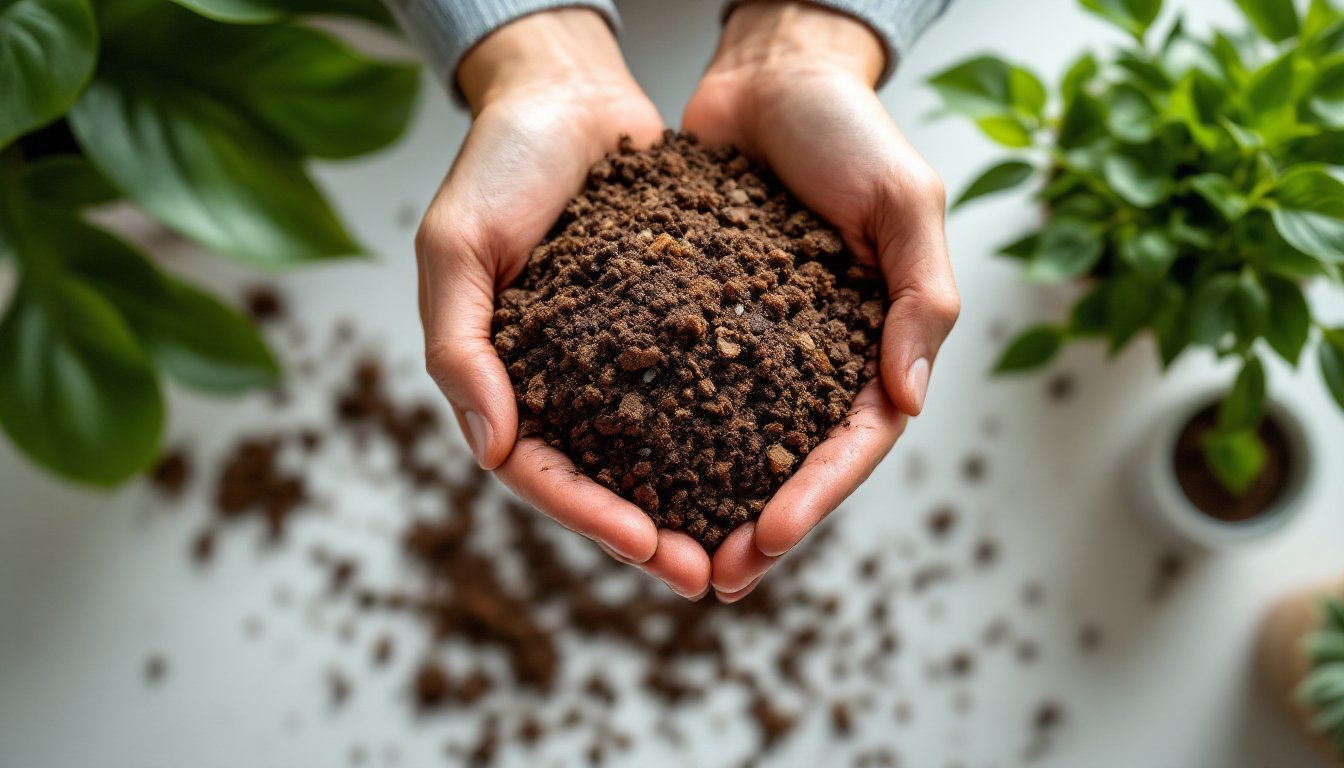
Read the bag label carefully. Avoid dense, compacted-looking mixes or ones that don’t list ingredients. Quality mixes list components like “peat moss,” “perlite,” and “compost” plainly. If the bag feels heavy for its size, it’s probably packed too tight. Open it and feel the texture, it should be light and fluffy, not clumpy. If it’s been stored a long time, older mixes compress and lose their aeration benefits.
Consider your watering habits too. If you tend to overwater, pick a faster-draining mix. If you forget to water and your plants dry out quickly, you might need something that holds moisture longer. You can always adjust future mixes, add perlite for better drainage or organic matter for water retention. Check home improvement guides from trusted sources for plant-specific recommendations if you’re unsure. Over time, potting soil degrades and compacts, so repot annually with fresh mix, especially for fast-growing plants.
DIY House Plant Soil Recipes for Budget-Friendly Results
Mixing your own soil saves money and gives you control over texture. A basic all-purpose recipe is simple: 3 parts coconut coir or peat moss + 2 parts perlite + 1 part compost or composted bark. This works for most houseplants. Mix ingredients on a clean surface or in a large bucket, breaking up clumps as you go. The ratio adjusts depending on plant needs, add more perlite for succulents, more compost for heavy feeders.
For succulents and cacti, use 2 parts cactus soil (or all-purpose mix) + 2 parts perlite + 1 part coarse sand. This extreme drainage prevents rot. For moisture-loving plants like ferns or calatheas, try 3 parts peat moss or coir + 2 parts perlite + 2 parts compost or orchid bark, the extra compost holds water longer. Always start with one of these ratios and adjust after a few months based on how your plants respond. If they’re drying out too fast, add organic matter: if they’re staying too wet, increase perlite or sand.
When mixing, wear a dust mask, especially with peat moss, which can irritate lungs. Gloves keep your hands clean and protect skin from sharp perlite edges. Store mixed soil in sealed buckets or bags out of direct sunlight: it keeps for months if kept dry. Many DIYers find seasonal home improvement planning helpful for batch-mixing soil in spring before repotting season hits. Homemade mixes cost roughly a quarter of bagged commercial soil per pot, and you always know exactly what’s going in.
Conclusion
House plant soil is the foundation of indoor gardening success. The right mix drains well, retains balanced moisture, and gives roots the air they need to thrive. Whether you choose commercial all-purpose soil or blend your own custom recipe, the payoff is healthier plants, fewer disease issues, and less guesswork when watering. Start with one good all-purpose mix, observe how your plants respond, and adjust from there. Over time, you’ll develop an instinct for what works in your home’s humidity and light conditions.