Table of Contents
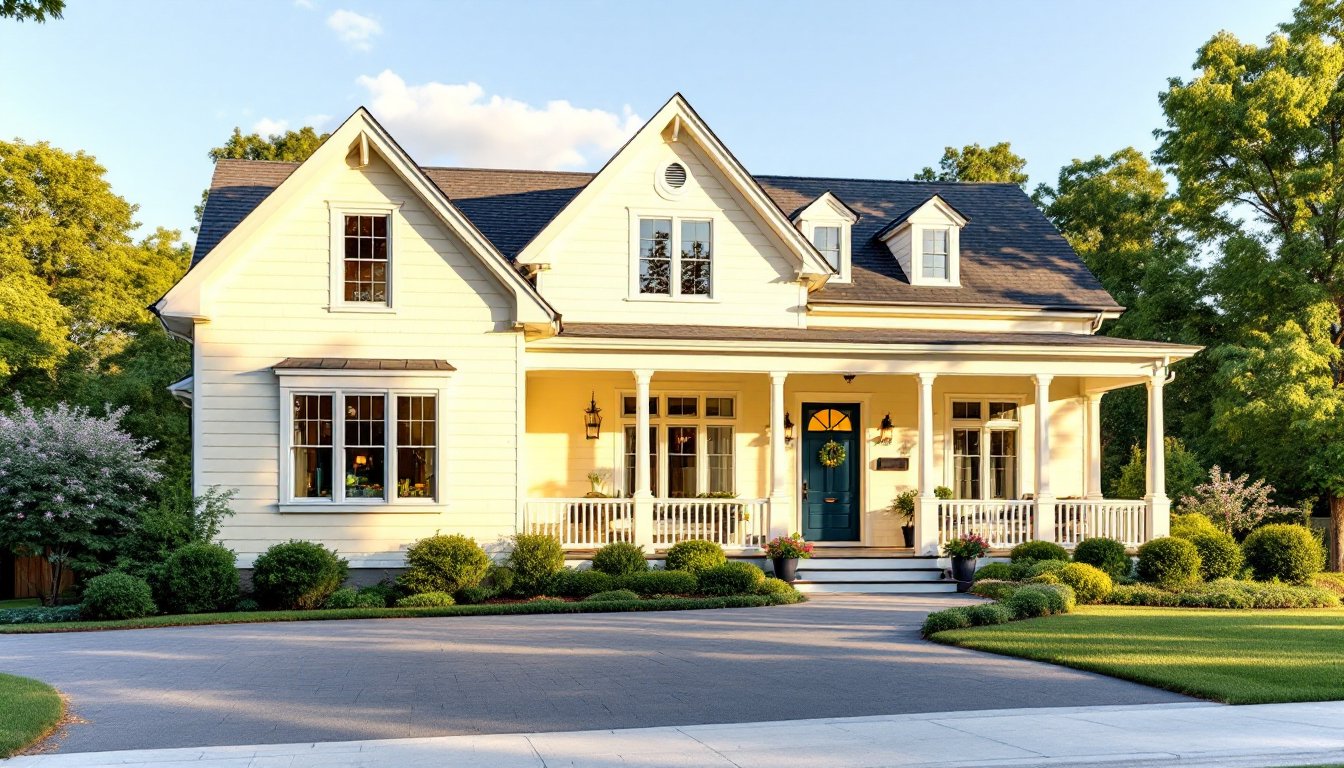
ToggleSoft yellow is one of the most versatile and welcoming exterior paint colors available to homeowners today. Unlike harsh, neon-bright yellows that can feel harsh or dated, soft yellow shades offer genuine warmth while maintaining timeless appeal. Whether you’re drawn to pale, creamy tones or deeper buttery hues, soft yellow creates an inviting curb presence that complements a range of architectural styles, from farmhouse and cottage to modern and traditional. This guide breaks down why soft yellow works so well for exteriors, which specific shades deliver the best results, and how to execute the painting project with professional-quality finishes.
Key Takeaways
- Soft yellow exterior house paint colors balance warmth and timelessness while avoiding harsh primary tones, making them ideal for boosting curb appeal across all architectural styles.
- Pale creamy yellows (70–80% LRV) work best on south or west-facing walls receiving intense sun, while warmer buttery tones (50–70% LRV) prevent dull appearances on north-facing walls.
- Always paint large 3-by-3-foot sample patches on different sides of your home and observe them over at least three days in varying light conditions before committing to soft yellow.
- White or cream trim creates the most classic pairing with soft yellow, while dark shutters in charcoal, navy, or forest green add sophisticated depth for colonial or cottage homes.
- Quality exterior primer and 100% acrylic latex paint are essential for soft yellow projects, as lighter colors reveal application imperfections more readily than darker shades.
- Proper preparation including power washing, two primer coats over existing dark colors, and high-quality rollers ensures professional-quality finishes on soft yellow exterior paint jobs.
Why Soft Yellow Is The Perfect Exterior Color Choice
Soft yellow stands out because it balances warmth without aggression. The color sits naturally in most light conditions, morning sun brings out honeyed undertones, while late afternoon creates a gentle glow that draws eyes toward your home. Unlike bold primary yellows, soft yellow shades contain gray or cream undertones that prevent the “painted schoolbus” effect.
From a practical standpoint, soft yellow exterior paint boosts curb appeal and resale potential. Research shows that exterior paint colors can dramatically affect home value, with warm neutrals and soft yellows frequently cited as top choices by real estate professionals. The color signals well-maintained, approachable homes, a psychological advantage when buyers drive by.
Soft yellow also works across climate zones. In cool regions, it adds warmth that counters gray skies. In warm climates, pale yellows reflect light without looking washed out. The key is choosing the right undertone and saturation level for your specific lot, architectural style, and trim color combination.
Top Soft Yellow Paint Shades For Your Home’s Exterior
Pale & Creamy Yellows
Pale yellows are the safest bet for homeowners hesitant about committing to bold color. These shades typically hover in the 70–80% light reflectance value (LRV) range, meaning they reflect most incoming light rather than absorbing it. Cream-based soft yellows like Accessible Beige (Benjamin Moore) or Pale Bamboo (Sherwin-Williams) deliver subtle warmth without dominating your home’s presence.
Pale yellows pair beautifully with white or cream trim, especially on Farmhouse, Cape Cod, or cottage-style homes. They’re also forgiving during application, minor brush marks or uneven coverage is less noticeable on lighter shades than on saturated colors. One drawback: pale yellows can appear greenish or grayish in certain lighting conditions if you choose poorly. Always order sample pints and paint 3-foot patches on different elevations of your home, observing them from morning through dusk before committing.
Warm Buttery Tones
Buttery soft yellows deliver more personality while staying approachable. These live in the 50–70% LRV range, rich enough to feel intentional but not so dark they appear orange or aged. SW Harvest Gold (lighter version), BM Marigold (soft undertone), and Sherwin-Williams Sunbeam Yellow exemplify this category.
Buttery yellows work exceptionally well on homes with substantial trim or architectural detail, think Victorian cottages, ranch homes with wide eaves, or cottages with shutters. They also pair smartly with interior design inspiration and paint color palettes that extend from exterior to foyer. Expect buttery shades to look warmer at sunset and slightly deeper indoors when viewed through windows. This isn’t a flaw: it’s part of the visual richness these colors bring.
How To Choose The Right Soft Yellow For Your Home
Start by assessing your home’s orientation and surrounding landscape. North-facing walls get cool, diffuse light, so warmer buttery yellows prevent a dull appearance. South or west-facing walls receive intense afternoon sun, making pale creamy yellows ideal, they won’t feel overwhelming in bright conditions.
Next, evaluate your trim color and architectural style. Soft yellows with white trim suit modern farmhouse and colonial homes. Pale cream yellows with off-white or taupe trim flatter contemporary designs. Warmer buttery tones with dark green or charcoal shutters create classic charm.
Order three or four sample pints in soft yellow shades. Paint large 3-by-3-foot patches on different sides of your house, leaving them for at least three days. Observe in morning light, midday, and dusk, this shows how the color reads at different times. Watch how it interacts with surrounding trees, neighboring homes, and existing hardscape (driveway, stone work, landscape).
Consider your neighborhood’s color palette. While soft yellow works almost anywhere, standing out dramatically from every neighbor might affect resale psychology, even if the color itself is beautiful. Balance individual expression with context. Also verify local HOA or historic district guidelines before painting, some communities restrict exterior colors.
Complementary Colors & Trim Combinations
The magic of soft yellow lies in how it pairs with trim. White trim is the most classic pairing, sharp contrast makes soft yellow pop, ideal for traditional or cottage aesthetics. Cream or off-white trim softens the look, creating warmth without stark contrast, perfect for contemporary or farmhouse styles.
For bolder moves, **dark trim, charcoal, navy, or forest green shutters, ** creates sophisticated depth. Dark accents make soft yellow appear richer and more intentional. This combination suits colonial homes, cottages with substantial architectural details, or modern designs seeking character.
Front door color matters too. A deep burgundy, forest green, or navy door anchors soft yellow beautifully. Avoid match-y pairings (yellow door on yellow house): instead, choose a contrasting shade that grounds the composition. Budget-conscious DIY homeowners often tackle painted door projects before committing to whole-house color, making this a smart starting point.
For your roof, foundation, and hardscape, ensure they don’t compete. If you have red or brown brick, choose pale yellows to prevent warm-on-warm confusion. Stone or gray foundations pair excellently with any soft yellow. Black or dark gray roofing complements both pale and buttery yellows without fuss.
Practical Tips For Painting Your Exterior In Soft Yellow
Preparation is everything. Power wash your house 48 hours before painting to remove mildew, dirt, and peeling paint. If you’re painting over existing darker colors, two coats of quality exterior primer (Benjamin Moore Advanced or Sherwin-Williams ProClassic) will prevent bleed-through. Expect primer to cost $30–50 per gallon: don’t skip it.
Invest in quality exterior paint. Soft yellows show application imperfections more readily than darker colors, so use premium 100% acrylic latex exterior paint from brands like Benjamin Moore, Sherwin-Williams, or Behr. Budget $35–60 per gallon: cheaper paints often require three coats and fade faster. One gallon typically covers 300–400 square feet depending on surface texture: measure your house’s exterior wall area before buying.
Protect everything else. Use painter’s tape on trim, windows, and any areas you don’t want yellow. Tack down drop cloths to protect landscaping, hardscape, and foundations from paint splatter. Soft yellows are forgiving on mistakes, but wet paint is wet paint.
For application, use a high-quality exterior roller with 3/8-inch nap for smooth surfaces or ½-inch nap for textured siding. Cut in edges (around trim, fascia, windows) with a quality 2-inch angled brush. Apply thin, even coats, one heavy coat causes drips and uneven finish. Allow 24–48 hours drying time between coats depending on humidity and temperature.
Wear proper PPE: goggles, gloves, and a dust mask if sanding old paint. Use a harness when on ladders above 6 feet, exterior projects require stable footing. If your home is more than one story and you’re uncomfortable working at height, hire a professional painter for upper levels.