Table of Contents
ToggleFinding tiny black bugs crawling around your kitchen, bedroom, or living room is unsettling, and unfortunately, it’s a problem many homeowners face. These unwanted visitors can range from harmless to genuinely destructive, damaging everything from your pantry staples to your carpet fibers. The good news? Most tiny black bugs found indoors can be identified, eliminated, and prevented with straightforward DIY tactics. This guide walks you through identification, removal strategies, and the prep work needed to keep your home pest-free long-term. Whether you’re dealing with a minor infestation or something more persistent, understanding what you’re up against is the first step toward solving the problem.
Key Takeaways
- Identify the type of tiny black bugs in your house—carpet beetles, pantry pests, fungus gnats, or drain flies—because each requires different elimination strategies.
- Eliminate food sources and seal dry goods in airtight containers to prevent pantry pests; use heat-washing and vacuuming to remove carpet beetle eggs and larvae.
- Address moisture problems by reducing plant watering, fixing leaky pipes, and cleaning drains with baking soda and vinegar to eliminate fungus gnats and drain flies.
- Seal entry points around windows, doors, and foundation cracks with caulk or weatherstripping to prevent tiny black bugs from entering your home in the first place.
- Most tiny black bug infestations resolve within two to four weeks with consistent cleaning and prevention habits; call a professional pest control service if problems persist beyond two weeks.
Common Types of Tiny Black Bugs Found Indoors
Carpet Beetles and Pantry Pests
Carpet beetles are among the most common tiny black bugs homeowners encounter. These beetles are typically 1/8 to 3/8 inch long with round, compact bodies that can range from black to mottled brown and white. The real problem isn’t the adult beetle, it’s the larvae, which feed on natural fibers like wool, silk, and hair. You’ll often spot them in closets, under furniture, or along baseboards.
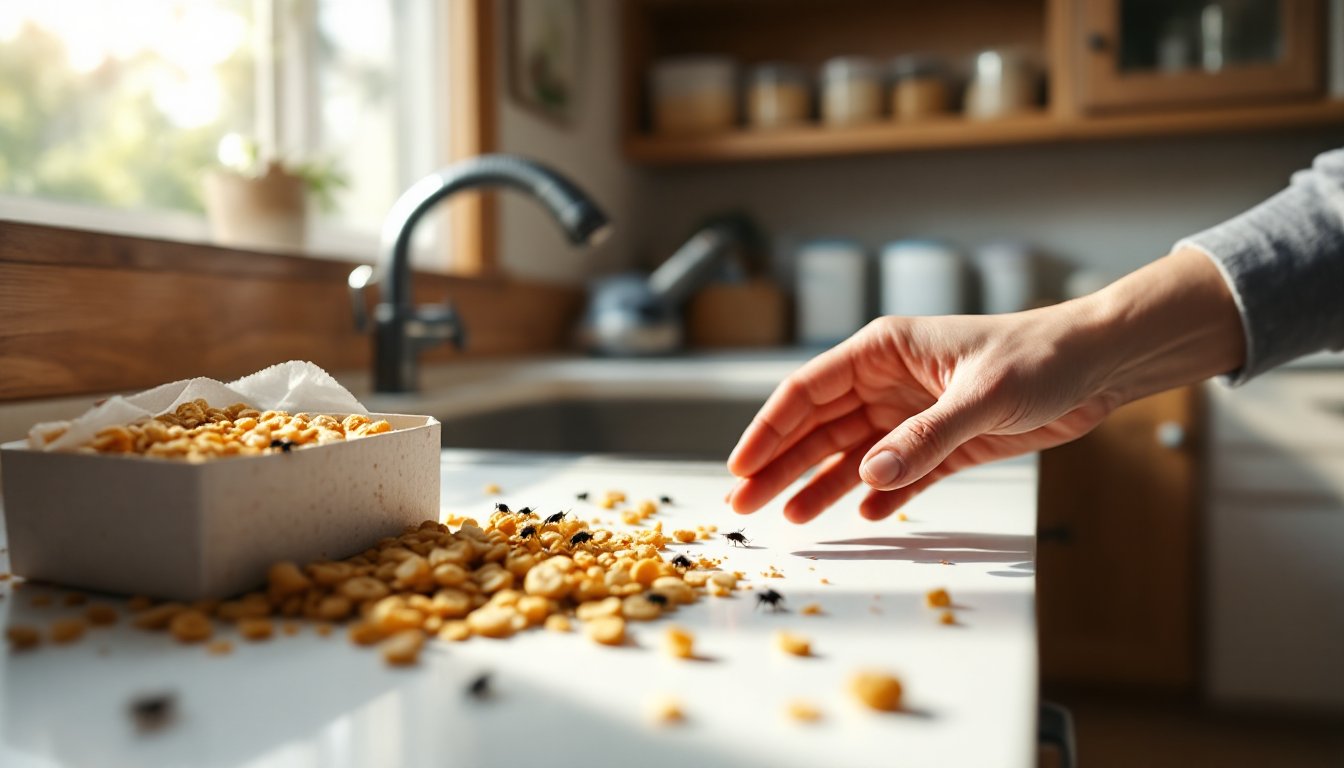
Pantry pests, including sawtoothed grain beetles and rice weevils, are another frequent culprit. These bugs thrive in dry goods: flour, cereal, pasta, and spices. They’re typically dark and elongated, around 1/8 inch long. Unlike carpet beetles, pantry pests actively infest food storage areas and reproduce rapidly in the right conditions.
Identifying which pest you have matters because treatment differs. Carpet beetles require vacuuming and targeted surface cleaning: pantry pests demand food source elimination and container sealing.
Fungus Gnats and Drain Flies
Fungus gnats are tiny black flies, often mistaken for fruit flies, that hover around houseplants and damp soil. They’re roughly 1/8 inch long with long legs and antennae. They breed in moist soil and organic matter, making indoor plant collections prime real estate. While they don’t bite or carry disease, a large population signals overly wet growing conditions.
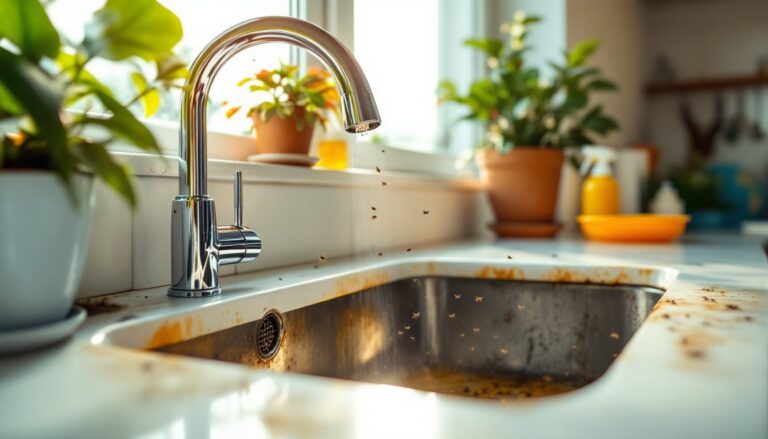
Drain flies are similar in size but breed specifically in pipe biofilm and standing water. They’re often found near kitchen sinks, bathroom drains, or shower areas. Unlike gnats, which you can manage by adjusting soil moisture, drain flies require actual drain cleaning to eliminate the breeding site. Studies on gnat elimination methods show that removing moisture is the most effective long-term approach, but immediate results require targeted interventions.
Why These Pests Invade Your Home
Tiny black bugs don’t appear out of nowhere, they’re drawn to specific conditions your home inadvertently provides.
For carpet beetles and pantry pests, food and fiber sources are the primary attractant. Unsealed cereal boxes, crumbs on shelves, pet food left out overnight, and natural-fiber rugs or blankets create an all-you-can-eat buffet. Seasonal temperature changes also drive pests indoors: they’re looking for shelter and stable conditions to reproduce.
Fungus gnats thrive on overwatering. Indoor plants kept too moist create the perfect breeding ground, gnat larvae develop in saturated soil in roughly 7 to 10 days. If you’ve noticed gnats after recently increasing watering frequency, that’s likely the culprit.
Drain flies similarly exploit moisture and organic buildup in pipes. Accumulated hair, soap scum, and food particles in drains create biofilm, a nutrient-rich breeding zone. Slow or standing water in P-traps makes the problem worse.
Entryways matter too. Tiny gaps around windows, door frames, and foundation cracks allow pests to slip in, especially during warmer months. Once inside, they find food sources and moisture, then settle in for the long haul. Understanding these triggers is half the battle toward prevention.
How to Get Rid of Tiny Black Bugs
Natural and DIY Treatment Methods
For carpet beetles and pantry pests:
Start with a deep clean. Vacuum every floor, carpet seam, and under furniture thoroughly, this removes eggs and larvae. Use a HEPA-filter vacuum to prevent bugs from escaping back into the air. Wash affected textiles (blankets, rugs, clothing) in hot water (130°F or higher) and dry on high heat. Heat kills all life stages of carpet beetles.
For pantry pests, remove and inspect all dry goods. Discard infested items in a sealed bag (place it outside your home). Transfer remaining dry goods into airtight glass or hard plastic containers with tight-sealing lids. Don’t rely on flimsy clip-top bags, pests can chew through them. Wipe down pantry shelves with a damp cloth, then allow them to dry completely before restocking.
If infestations persist after cleaning, food-grade diatomaceous earth (DE) can help. Dust a light layer along baseboards, under appliances, and in pantry corners. Wear a dust mask when applying, inhaling fine powder irritates lungs. Food-grade DE works by damaging insect exoskeletons, but it only works on dry surfaces and must be reapplied after vacuuming or sweeping.
For fungus gnats and drain flies:
Fungus gnats require moisture reduction first. Let soil dry out between waterings, most indoor plants prefer this anyway. Water the base of plants, not the foliage, to minimize surface moisture. If gnats persist, repot plants in fresh, dry potting soil. Remove any dead leaves or plant material from soil surface, as decaying matter feeds larvae.
Drain flies demand actual drain cleaning. Boil a kettle of water and carefully pour it down affected drains, this kills larvae temporarily but won’t eliminate biofilm. For a more thorough approach, use a drain brush or plumbing snake to physically remove buildup. Follow with a mixture of baking soda and white vinegar: pour 1/2 cup baking soda down the drain, chase it with 1/2 cup white vinegar, let it sit for 30 minutes, then flush with boiling water. This combination breaks down organic matter without harsh chemicals.
For stubborn drain fly infestations, enzyme-based drain cleaners (like those containing Bacillus bacteria) break down biofilm naturally over time. These are safer than chemical drain cleaners and won’t corrode pipes.
Both gnat problems benefit from sticky traps, yellow or black adhesive cards placed near plants or drains. They won’t eliminate the infestation alone, but they’re useful for monitoring population size as you address root causes.
Prevention Tips to Keep Your Home Pest-Free
Once you’ve eliminated the immediate problem, prevention keeps tiny black bugs from returning.
Seal food and reduce crumbs:
Store all dry goods in airtight containers. This includes flour, sugar, cereal, pasta, pet food, and spices. Pantry pests can survive on crumbs and dust, so vacuum and wipe shelves weekly. Don’t leave pet food out overnight: store it in sealed containers and feed on a schedule. Clean up spills immediately and wipe down counters and appliance exteriors daily.
Control moisture:
Fix leaky pipes and faucets promptly, even small drips create breeding grounds for gnats and drain flies. Use a dehumidifier in damp basements or bathrooms if condensation is visible. Ensure bathroom exhaust fans vent outside, not into the attic. After showers, run the fan for at least 30 minutes to dry out the space.
Manage houseplants carefully:
Water plants only when the top 1 to 2 inches of soil feel dry to the touch. In winter, reduce watering frequency further, most plants need less during dormant months. Use potting soil labeled for indoor plants (not garden soil, which holds excessive moisture). Clean plant leaves monthly and remove dead foliage promptly.
Seal entry points:
Inspect door frames, window seals, and foundation cracks for gaps. Caulk small cracks with painter’s caulk (removable if you rent) or silicone caulk (permanent). Weather-strip doors to eliminate gaps. Check screens for tears and repair them before warm weather arrives.
Regular maintenance:
Vacuum carpets weekly, including under furniture and along baseboards. Wash bedding in hot water every two weeks. A comprehensive home maintenance checklist helps catch moisture problems and entry points before pests exploit them. Don’t leave damp laundry in piles or sealed bags, hang or fold it immediately. Store off-season clothing in sealed bins with cedar blocks or lavender sachets (both have mild repellent properties, though they’re not a guarantee).
When to call a professional:
If an infestation persists even though two weeks of consistent cleaning and prevention, call a licensed pest control service. Large-scale infestations, especially in apartment buildings or older homes with structural gaps, often require professional treatment. Professionals have access to targeted treatments and can identify entry points you might miss. It’s not a DIY failure, it’s practical pest management.
Moving Forward
Tiny black bugs are a frustration, but they’re not a permanent fixture. Identify what you’re dealing with, address the root cause, whether that’s moisture, unsealed food, or clogged drains, and maintain the habits that prevent their return. Most infestations resolve within two to four weeks of consistent effort. Resources like The Spruce’s home improvement guides offer additional tips for specific situations. Stay vigilant, keep your home clean and dry, and you’ll reclaim pest-free living.