Table of Contents
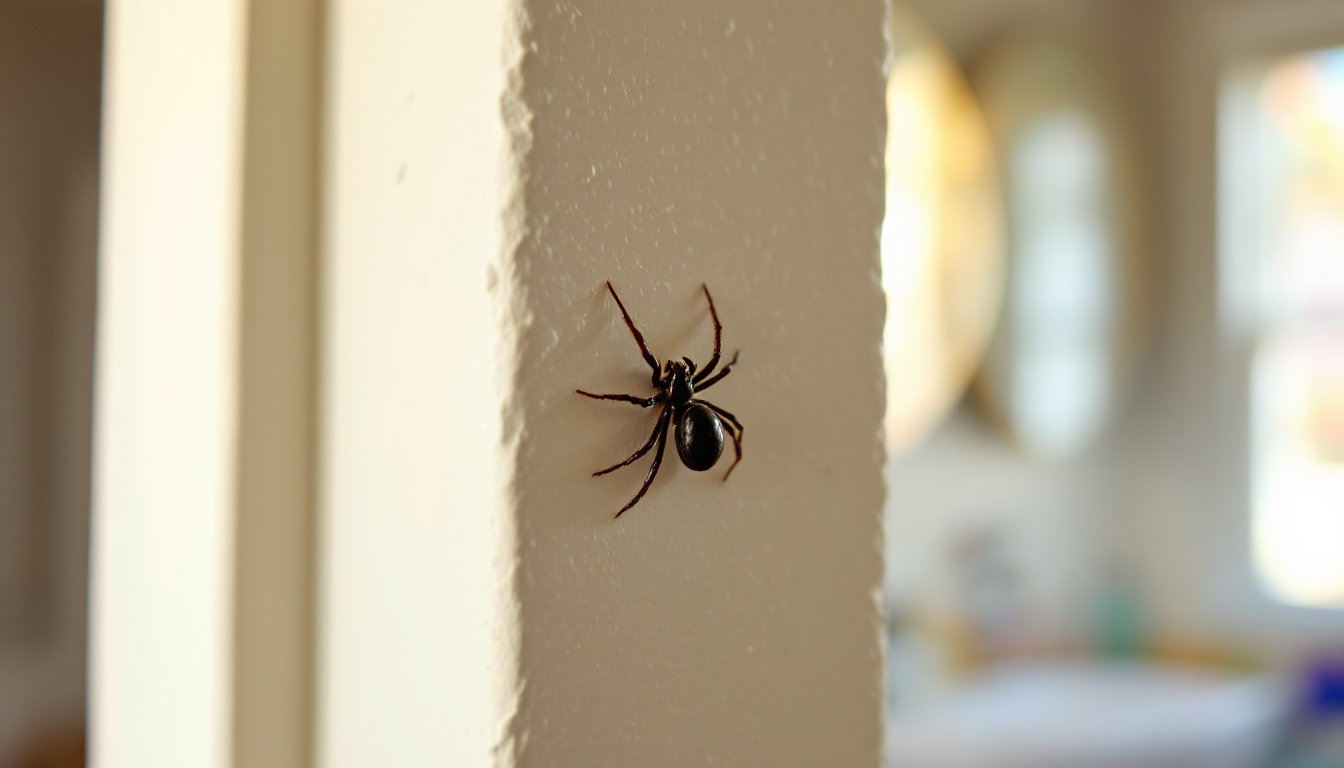
ToggleYou’ve probably noticed them lately, those tiny black spiders appearing in corners, closets, or crawling across your bathroom wall. If you’re suddenly seeing more of them, you’re not alone. Homeowners everywhere report an uptick in tiny black spider sightings, especially during fall and early winter. The good news? Most tiny black spiders found indoors are harmless, and their presence often signals something about your home’s environment. Understanding what draws them inside, which species you’re dealing with, and how to manage them safely will help you handle the situation without panic or unnecessary pesticide spraying.
Key Takeaways
- Tiny black spiders found indoors are harmless and rarely bite; most reported spider bites are actually insect bites or skin reactions misattributed to spiders.
- Tiny black spiders in your house indicate an insect infestation rather than a spider problem—removing their food source (gnats, flies, moths) is more effective than removing individual spiders.
- The simplest removal methods are non-toxic: use the cup-and-paper technique, a vacuum hose, or peppermint-oil spray instead of chemical pesticides.
- Long-term prevention requires sealing entry points with caulk and weatherstripping, reducing moisture, and storing food in airtight containers to eliminate the insects spiders hunt.
- Seasonal spider invasions in fall and early winter are natural and nearly unavoidable; many homeowners tolerate spiders for their pest-control benefits.
Common Types Of Tiny Black Spiders Found Indoors
When homeowners spot tiny black spiders, they’re usually looking at one of a few common species. The American house spider is perhaps the most frequent indoor visitor, a small, dark spider often found building webs in corners and eaves. These are generally tan or black and measure around 5–8 mm in body length (nominal size: actual varies slightly). Another culprit is the cobweb spider (Theridiidae family), which creates the loose, tangled webs you’ll see in neglected corners. They’re darker and rounder than house spiders.
The jumping spider is also small and black, but you’ll notice the difference immediately, they move with quick, darting motions and have forward-facing eyes that almost seem intelligent. Then there’s the false widow spider, which made headlines in the UK and now appears in various regions. False widows are slightly larger and often mistaken for dangerous species, though they’re far less harmful.
The reason spiders look “suddenly” black might also be seasonal molt. Spiders shed their exoskeletons and appear darker after molting before their new shell hardens and lightens slightly. If you’re seeing a real spike, it’s usually environmental rather than an infestation, something in your home or yard has changed.
Why Spiders Are Invading Your Home (And It’s Usually Good News)
Spiders don’t invade homes to nest or live permanently in most cases, they come inside hunting for food. If you’re seeing more tiny black spiders, your home likely has a food source: insects. Fungus gnats, fruit flies, small moths, and other household pests are what spiders actually want. The spider population boom often follows a pest population bloom, usually triggered by moisture, unsealed food storage, or mild outdoor temperatures that push insects indoors.
Seasonal patterns matter too. As temperatures drop in fall, insects seek shelter indoors, and spiders follow. This is a natural cycle, not a failure in housekeeping. Autumn spider invasions happen in nearly every home and are rarely preventable entirely, they’re just responding to natural triggers.
From a practical standpoint, spiders are natural pest controllers. A single house spider can catch dozens of gnats, flies, and other nuisance insects over its lifetime. Many experienced homeowners tolerate spiders specifically for this reason, removing webs occasionally but leaving the spider itself alone. If your spider problem correlates with a visible insect problem, solving the insect issue will reduce spider activity far more effectively than direct spider removal.
Are These Spiders Dangerous To You And Your Family?
The short answer: virtually no. Tiny black spiders pose almost zero danger to humans. Even species like the false widow, which garnered media attention, are far less venomous than popular culture suggests. Spiders can bite (they have fangs), but they rarely do unless aggressively handled or threatened. Most “spider bites” reported by homeowners are actually insect bites, skin reactions, or fungal infections misattributed to spiders.
Venom in tiny household spiders is designed for insects, not humans. The fangs on most house spiders can’t penetrate human skin, and even if they could, the venom is too weak to cause serious reaction. Reports of false widow spider bites doubling in the UK showed that confirmed bites remain rare and produce only mild localized reactions, comparable to a mosquito bite.
Children and pets are similarly safe. Spiders actively avoid confrontation and will flee rather than bite. If a spider does encounter a child or pet, it’s more likely to run away than engage. The psychological discomfort of having spiders around is real and valid, but the actual health risk is negligible. Understanding this distinction helps homeowners make rational decisions about removal rather than panicking.
Effective Methods To Remove Tiny Black Spiders
Natural And Non-Toxic Removal Techniques
If you decide to remove spiders, skip the chemical pesticides entirely, they’re overkill and unnecessary. The simplest method is the cup-and-paper technique: place a cup or glass over the spider, slide a piece of paper underneath, and release it outside. This works for stationary spiders and takes 30 seconds. Wear latex or nitrile gloves if you’re uncomfortable handling them directly, though contact risk is minimal.
For web-dwelling spiders, a vacuum with a hose attachment works surprisingly well. Suck up the spider and web, then empty the vacuum outside immediately. The spider rarely survives the ordeal, but at least it’s quick and you’ve avoided direct contact. Fill a spray bottle with water and a few drops of peppermint essential oil, spray directly on visible spiders to stun them, then vacuum or sweep them up. The scent also acts as a mild deterrent.
If you want to target prevention rather than individual removal, sticky traps (commonly used for monitoring pest populations) will catch some spiders, but they’re indiscriminate and somewhat cruel. A better approach is crushing spider webs with a broom when you see them. Spiders will eventually rebuild elsewhere, but this gives you control over their placement. Never use broad-spectrum insecticides hoping to kill spiders, you’ll kill beneficial insects first, potentially making the problem worse by removing the spiders’ food source.
For persistent or numerous spiders, contact a local pest control company trained in integrated pest management (IPM). They’ll identify whether you have a genuine spider problem or a secondary pest problem driving the spider population.
Prevention Strategies To Keep Spiders Out Long-Term
Reducing spiders long-term means reducing their food source and eliminating entry points. Start with basic household cleanliness: seal food in airtight containers, don’t leave standing water or moisture, and clean up crumbs and spills promptly. These steps target the insects spiders hunt, not the spiders themselves.
Seal visible entry points. Caulk gaps around window frames and doors with paintable acrylic latex caulk (check the label for interior/exterior rating). Use weatherstripping on door bottoms where gaps exceed 1/4 inch. These efforts take a weekend but significantly reduce insect and spider entry. Screen vents and openings leading to the attic or crawl space, insects often infiltrate through neglected foundation vents or soffit gaps.
Reduce clutter in storage areas, basements, and attics where spiders hide during the day. Storing items in sealed plastic bins rather than cardboard boxes makes the environment less attractive. Outdoor lighting attracts insects, so if you have exterior lights near doors or windows, consider switching to yellow “bug-resistant” bulbs, which emit wavelengths less attractive to flying insects.
During warmer months, keep doors and windows closed during dawn and dusk when insects are most active. A simple approach detailed on Today’s Homeowner and similar resources is regular inspection of entry points, check around utilities, pipes, and cracks quarterly. Most spiders enter passively with pest insects rather than seeking shelter actively, so your best defense is a sealed, clean, and pest-controlled home.
Conclusion
Tiny black spiders in your home are almost certainly harmless, and their presence usually reflects broader home conditions worth addressing, moisture, food sources, or seasonal pest activity. Removal is straightforward if you choose to do it, and prevention focuses on reducing the insects they hunt rather than targeting spiders directly. The occasional spider is actually beneficial, and most experienced homeowners coexist peacefully with them. If you’re genuinely concerned or notice an unusual spike, check your home’s pest barriers and moisture levels first, that’s where the real problem likely lies.