Table of Contents
ToggleTiny house sheds have become the go-to solution for homeowners looking to maximize their property’s potential without very costly or their zoning regulations. Whether you need extra storage, a home office, a guest room, or a creative studio, a tiny house shed offers a practical, affordable alternative to traditional room additions or expensive renovations. In 2026, these compact structures are gaining momentum as more people recognize the value of adding functional living space that doesn’t require a massive construction project or permanent foundation work. Unlike a standard storage shed, a tiny house shed is designed as a livable, climate-controlled space with proper insulation, electrical systems, and finishing touches that make it feel like an extension of your home.
Key Takeaways
- Tiny house sheds cost $15,000 to $50,000—a fraction of the $100,000+ price tag for traditional room additions—making them an affordable way to add functional living space.
- These compact, livable structures (100–400 sq ft) require less permitting, site work, and utility integration than permanent additions, meaning faster construction timelines and lower indirect costs.
- Successful tiny house shed projects start with verifying local zoning laws, soil testing, site surveys, and utility planning to avoid costly mistakes and permitting delays.
- A 250-square-foot tiny house shed offers the best balance of usability and cost-efficiency, with room for a bedroom, bathroom, kitchen, and living area.
- Smart design choices—light colors, built-in storage, large windows, split-system heat pumps, and multifunctional furniture—make tiny spaces feel intentional and comfortable without visual clutter.
What Are Tiny House Sheds?
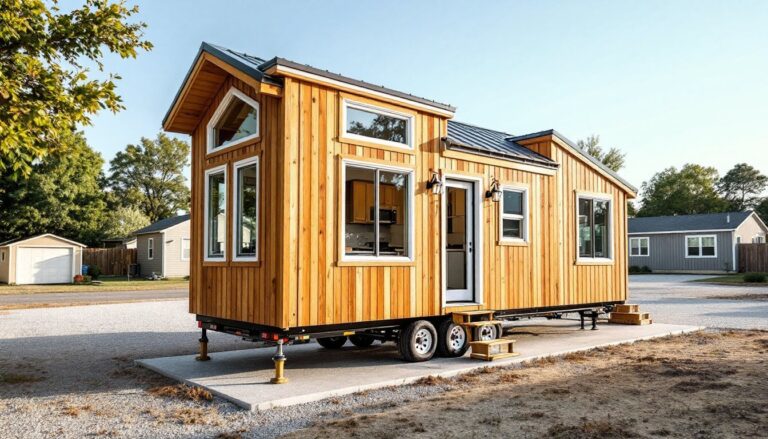
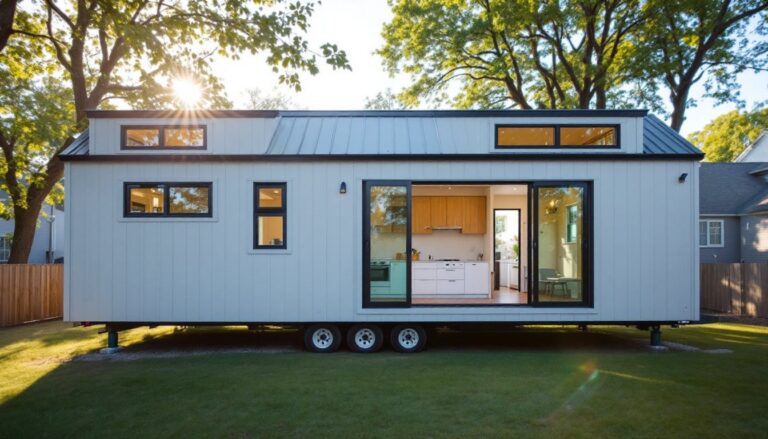
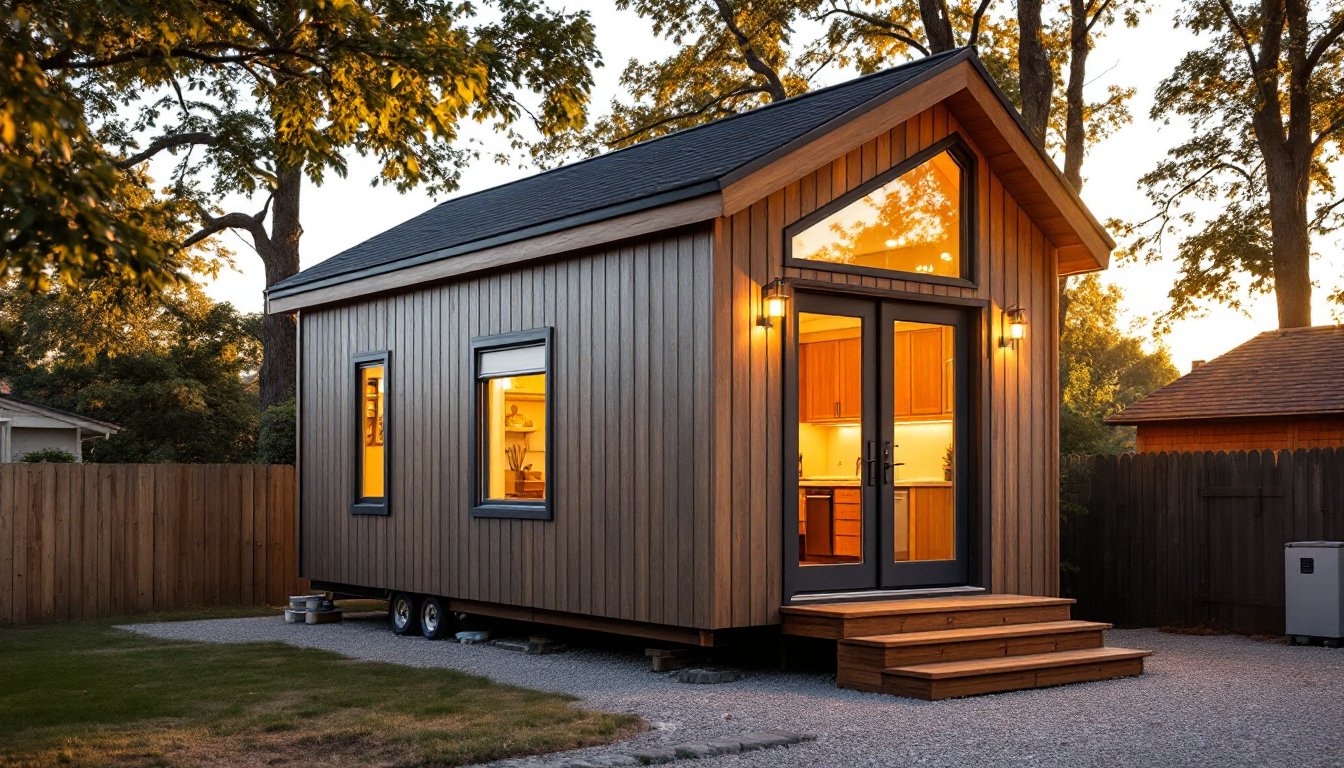
A tiny house shed is a compact, freestanding structure, typically ranging from 100 to 400 square feet, that combines the durability and simplicity of a shed with the livability of a tiny house. These aren’t your grandmother’s garden sheds filled with rakes and potting soil. They’re properly framed, insulated buildings with finished interiors, electrical wiring, climate control, and sometimes even plumbing.
Most tiny house sheds sit on a permanent or semi-permanent foundation (concrete pier, gravel bed, or skids), making them distinguishable from temporary storage structures. They meet most residential building codes in their respective jurisdictions, though you’ll want to verify local requirements before breaking ground. Many are designed to be either mobile or modular, meaning they can be moved if needed, though some are built in place like a traditional addition.
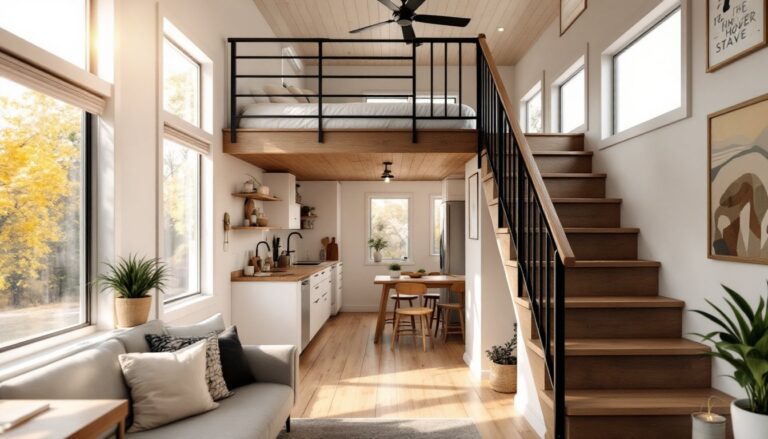
The interior layout is efficient: open-concept living areas, lofted bedrooms, compact kitchens, and minimal hallway waste. Materials range from traditional wood framing with vinyl siding to modern metal or shipping-container conversions. The key difference between a tiny house shed and a full tiny house is the foundation, sheds typically don’t require extensive site work, utility connections, or the same permitting overhead.
Why Homeowners Are Choosing Tiny House Sheds
Tiny house sheds solve several problems at once: they’re faster and cheaper than traditional additions, more flexible than permanent structures, and they don’t drain savings like a full renovation. Here’s why they’re trending.
Affordability and Cost Efficiency
A finished tiny house shed typically costs $15,000 to $50,000 depending on size, materials, and finishes, a fraction of what you’d spend on a traditional 400-square-foot room addition. A full addition to an existing house often runs $100,000 or more because you’re dealing with foundation work, roof extensions, HVAC integration, electrical panel upgrades, and potential structural changes. A standalone shed sidesteps most of that complexity.
You also avoid the indirect costs: weeks or months of construction, contractor management, potential surprise structural issues, and the disruption of living in an active construction zone. A prefab or kit tiny house shed can be ordered, delivered, and finished in weeks rather than months. If you’re building it yourself, labor costs drop even further, especially if you already own basic power tools like a circular saw, drill, and level. No permit requirements in some jurisdictions means no permit fees either, though this varies widely by location.
Flexibility and Customization
Unlike a permanent addition, a tiny house shed can be configured for whatever you need right now: guest quarters, artist studio, home office, yoga studio, workshop, or rental unit. If your needs change, the structure doesn’t have to. Some models are mobile (built on a trailer frame), so you could theoretically relocate it or sell it separately.
Customization is straightforward because you’re working with a self-contained space. Want radiant floor heating? Add it to the foundation prep. Need a loft bedroom? Your carpenter frames it during the build. Prefer a commercial kitchen setup for a café-style space? Simpler than retrofitting an existing house. Modern designs from sources like Dwell showcase how contemporary aesthetics, large windows, minimalist interiors, natural wood, make these structures feel intentional and designed, not like an afterthought.
Planning Your Tiny House Shed Project
Before you pour a foundation or order materials, you need a solid plan. Skipping this step is how most DIY projects blow up in scope, cost, and timeline.
Start with local zoning and permit requirements. Call your county building department or check their website. Ask specifically: Are accessory dwelling units (ADUs) or tiny houses allowed? Do they require a permit? What’s the maximum size allowed in your zone? Are there setback requirements (distance from property lines)? How much of your lot can be covered by structures? These rules vary wildly, some jurisdictions welcome them, others restrict them heavily or ban them outright.
Next, get a soil test and site survey. You need to know your soil composition to size the foundation correctly. Clay, sand, and rocky soil have different load-bearing capacities. If your ground is unstable or has poor drainage, you’ll need to address it before building. A surveyor can confirm property lines and identify underground utilities (water, sewer, electric, gas) so you don’t dig into them during construction.
Determine your utility situation early. Will you tie into existing home systems (water, sewer, electric) or install independent systems? Connecting to existing utilities is usually cheaper and simpler if the runs are short. Independent systems (septic, well, solar panels, propane heating) offer flexibility but cost more upfront. Discuss this with your local utilities and inspector.
Choosing the Right Size and Layout
The most common tiny house shed sizes are 150, 200, 250, and 400 square feet. Anything under 120 square feet often doesn’t require a bedroom-sized layout: anything over 600 starts feeling like a full house and triggers different permitting in many jurisdictions.
For a 150-square-foot shed, expect a 12×12-foot footprint or similar. That’s enough for a compact living area, a small bedroom or loft, and a galley kitchen or kitchenette. Tight, but livable for a guest room or office.
A 250-square-foot shed (roughly 16×16 feet or 12×20 feet) offers real breathing room: a main living area, a separate bedroom, a proper bathroom, and a functional kitchen. This size hits the sweet spot for cost-per-square-foot and usability.
Layout decisions depend on your use case. If it’s a guest room, prioritize a comfortable bedroom and full bathroom over kitchen space. For a workshop or studio, you might skip the kitchen entirely and use the space for tools, materials, or creative work. Open-concept is almost always better in tiny spaces, it makes them feel larger and more flexible.
Consider loft bedrooms to maximize floor space. A 9-foot ceiling is minimum for a loft to feel safe and not claustrophobic. Sloped roofs (gable or shed-style) are more efficient for lofts than flat roofs. Plan windows carefully: large windows make tiny spaces feel bigger and reduce artificial lighting needs, but they reduce wall space for furniture and can hurt insulation. Aim for a mix, big windows on the main living area, smaller or fewer on the bedroom side.
Design and Interior Ideas for Tiny House Sheds
A cramped-looking shed defeats the purpose. Good design makes a tiny house shed feel intentional, livable, and comfortable.
Materials and finishes matter more in small spaces. Light interior colors (white, cream, soft gray) reflect light and expand the visual sense of space. Natural wood accents (flooring, trim, or wall paneling) add warmth without bulk. Metal fixtures and hardware keep things modern and minimal. Avoid heavy drapery, go with roller shades or simple linen curtains that don’t eat up visual real estate.
Built-in storage is non-negotiable. Shelving along walls, under-bed drawers, overhead cabinets, and vertical organization prevent clutter that makes tiny spaces feel chaotic. A small murphy bed or wall bed (if it’s your primary sleeping space) folds up during the day to create living room flexibility. Multifunctional furniture, an ottoman with storage, a window seat with drawers, a kitchenette island that doubles as a dining table, maximizes every inch.
Flooring should be durable and easy to clean. Polished concrete with radiant heating underneath is trendy and practical. Luxury vinyl plank (LVP) mimics hardwood at a fraction of the cost and handles moisture better. Avoid carpet in tiny spaces: it traps dust, makes rooms feel smaller, and is harder to maintain. If you want warmth underfoot, add a washable area rug.
For heating and cooling, a split-system heat pump (indoor unit mounted on a wall, outdoor compressor outside) is ideal for small spaces. It heats and cools efficiently without ductwork, and it’s quieter than a window unit. Insulation is key: aim for R-19 to R-30 in walls and R-30 to R-49 in ceilings depending on your climate zone. Good insulation reduces heating and cooling costs and makes the space more comfortable year-round.
Lighting design should include layered options: overhead fixtures for general light, task lighting (under-cabinet, reading lights) for specific areas, and accent lighting (wall sconces, LED strips) for ambiance. Dimmers and warm-colored bulbs (2700K) create flexibility, bright light for work, soft light for relaxing. Large windows during the day are free lighting: take advantage of them.
For kitchen and bathroom fixtures, go compact but quality. A single-handle faucet with a pull-down sprayer is efficient in tight quarters. A small flush-mount medicine cabinet with a mirror doesn’t jut out like a surface-mounted cabinet. A corner toilet saves floor space compared to a standard layout. A compact kitchen sink with a fold-away or removable cutting board maximizes counter real estate.
Storage for utilities and systems is often overlooked. Your water heater, HVAC equipment, electrical panel, and any other mechanicals need accessible space. Plan a small utility closet or wall-mounted enclosures so these don’t dominate the living area. Many prefab designs hide mechanicals in a loft knee-wall or under-floor cavity, keeping them out of sight. Plans like those from Fix This Build That show practical workshop setups that apply to tiny shed design.
Decor should reflect the space’s purpose and your personality, but avoid visual clutter. A few well-chosen art pieces, live plants in hanging planters, and good-quality textiles (throw pillows, a blanket) personalize the space without overwhelming it. In a tiny shed, less is genuinely more. Build with small cedar shed plans as a reference for durable exterior details and simple, elegant construction.