Table of Contents
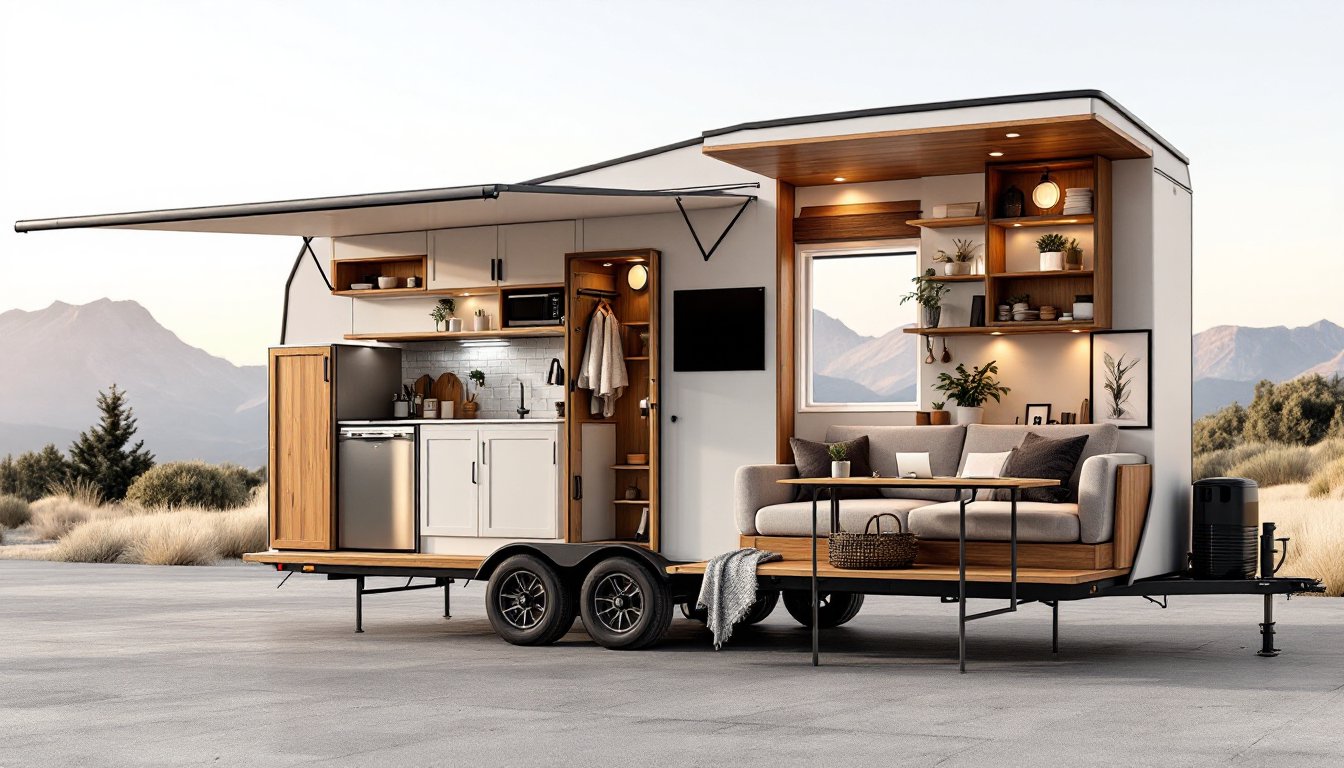
ToggleTiny house RVs represent a fundamental shift in how people approach housing, combining the freedom of mobile living with the intentional design of a permanent home. Unlike traditional RVs built primarily for travel or vacation use, tiny house RVs are engineered as full-time living spaces with residential-grade systems, durable finishes, and thoughtful layouts. Whether you’re downsizing to simplify your life, cutting housing costs, or seeking flexibility to relocate for work, a tiny house RV offers an alternative to the conventional mortgage-and-basement lifestyle. This guide walks through what these vehicles are, why they’re gaining traction, and how to customize one to match your needs and budget.
Key Takeaways
- A tiny house RV costs $60,000–$150,000 new versus $400,000+ median home prices, making it a financially compelling alternative for downsizers and cost-conscious buyers.
- Tiny house RV living requires understanding local zoning laws and parking restrictions, as municipalities vary widely on where and how long you can legally park residential vehicles.
- Maximize a tiny house RV’s limited space by using multi-functional furniture, vertical storage solutions, and strategic zoning with partial walls or dividers to separate living areas.
- Essential DIY customization projects like interior painting, cabinet refacing, and LED lighting upgrades are cost-effective ways to improve livability; avoid major electrical or plumbing work without professional guidance.
- Factor in ongoing costs including insurance ($800–$1,500/year), propane, RV park fees ($400–$1,500/month), and maintenance to ensure tiny house RV ownership remains financially sustainable long-term.
- Test the tiny house RV lifestyle with a used model before committing heavily, and prioritize durability and function—tight seals and quality maintenance matter more than trendy interior decor.
What Is A Tiny House RV And How Does It Differ From Traditional Homes
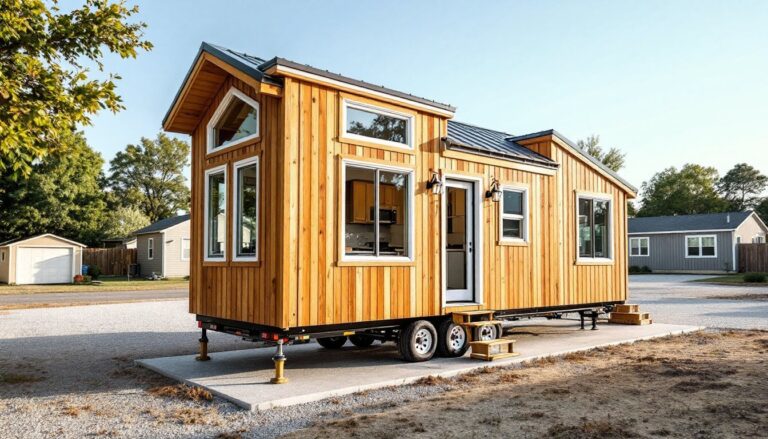
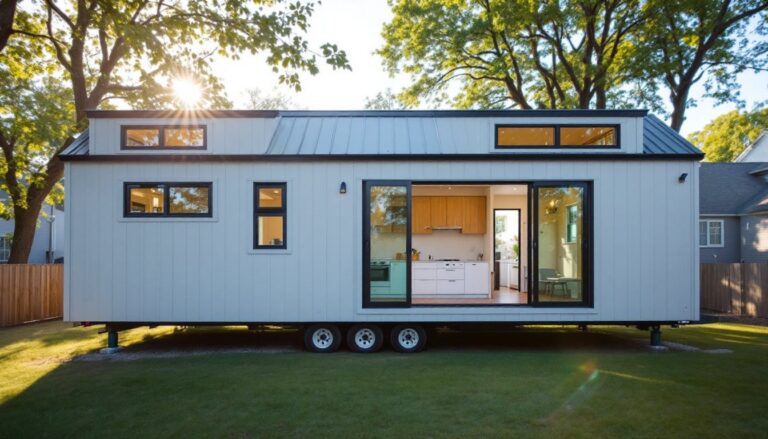
A tiny house RV typically falls between 200 and 400 square feet and sits on either a motorized chassis (Class A, B, or C motorhomes) or a towable trailer frame. The key distinction from a standard vacation RV is durability and livability: tiny house RVs use better insulation, full-sized appliances, and cabinetry that withstands daily use. Traditional homes, by contrast, are fixed structures built on foundations with separate utilities and permanent anchoring.
The legal and practical differences matter. A tiny house RV remains classified as a recreational vehicle in most jurisdictions, meaning zoning, parking, and residency rules vary wildly depending on where you park it. Some municipalities allow RVs only in designated parks: others prohibit them in residential neighborhoods entirely. Determining whether your property qualifies as a tiny house involves understanding local codes and permanent installation standards.
On the practical side, tiny house RVs come with propane-based heating, black and gray water tanks instead of municipal plumbing, and a 12-volt electrical system supplemented by an inverter. Traditional homes have natural gas lines, septic or city sewer connections, and standard 120-volt outlets. RVs also age differently, UV exposure, moisture infiltration, and constant vibration from towing or engine running accelerate wear on seals, roofing, and cabinetry. That said, a well-maintained tiny house RV can last 15–20 years with proper care.
The Key Advantages Of Choosing A Tiny House RV Lifestyle
The financial appeal is immediate. A new tiny house RV runs $60,000–$150,000 depending on size and finish level, compared to a median home price exceeding $400,000 in most U.S. markets. Used models drop that entry cost by 30–50%. You eliminate mortgage debt, property taxes on land (if parked seasonally), and utility inflation tied to square footage. Over a decade, that difference compounds dramatically.
Mobility is another draw. A tiny house RV lets you relocate for job opportunities, follow seasonal work, or simply escape winter without selling real estate or breaking a lease. Some people use them as base camps while traveling: others park them semi-permanently on family land or in established RV communities. That flexibility appeals to remote workers, retirees, and those testing a minimalist lifestyle before fully committing.
There’s also the sustainability angle. Living smaller inherently reduces utility consumption, waste generation, and your carbon footprint. You buy and heat less space, which appeals to environmentally conscious buyers. And for many, the intentional design, every inch serves a purpose, forces a mindful approach to possessions and consumption that traditional homes don’t enforce.
Essential Design And Layout Strategies For Maximum Space Efficiency
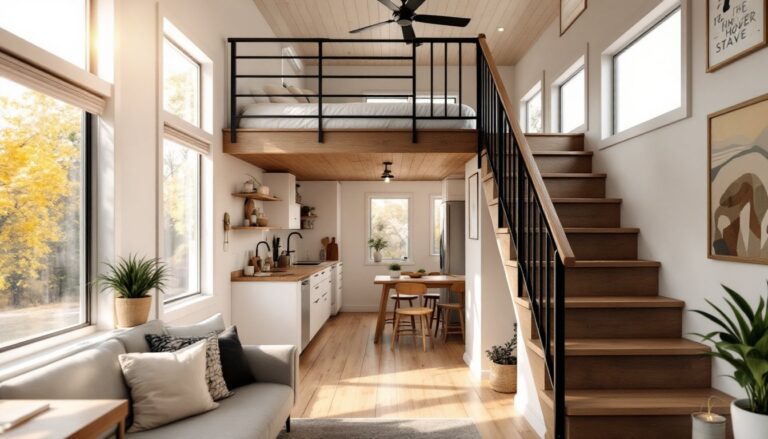
Space efficiency in a tiny house RV hinges on zoning and multi-use areas. Most successful layouts separate sleeping, working, and living zones visually, even if they’re only a few feet apart, using furniture placement, partial walls, or curtain dividers. A galley kitchen along one wall keeps cooking from dominating the main living area. A murphy bed or lofted sleeping nook frees up floor space during the day.
Storage must be ubiquitous. Under-bed compartments, overhead cabinets, vertical shelving, and modular bins become essential infrastructure, not luxury. Many tiny house dwellers mount floating shelves on walls, use wall-mounted fold-down desks, and select furniture pieces that double as storage (ottomans with lift tops, bed frames with drawers).
Multi-Functional Furniture And Storage Solutions
Multi-functional furniture is non-negotiable in tiny house RVs. A dining table that converts to a workspace, a sofa with a pull-out guest bed, or a kitchen island with bar seating and storage below maximizes utility per square foot. Look for pieces with clean lines and minimal legs, bulky sectionals and oversized armchairs consume space without adding proportional value.
Storage solutions should integrate into design, not look like afterthoughts. Custom cabinetry, tailored to the RV’s exact dimensions, eliminates wasted gaps. Clear plastic bins with labels let you find items without rummaging. Vertical storage, wall-mounted pegs, hooks, and rail systems, turns dead wall space into functional storage. In kitchens, budget-friendly small space tips often highlight pull-out pantries, nesting bowls, and stackable containers that keep clutter off counters.
DIY Interior Customization Projects For Tiny House RVs
Before tackling big projects, stabilize the RV mechanically. Check tire pressure and wear, test the roof for leaks (run water hose while someone watches inside), and inspect seals around windows and doors with caulk. Moisture intrusion is the silent killer of RV interiors.
Popular DIY upgrades include interior paint, cabinet refacing, flooring replacement, and lighting upgrades. Most RV walls are thin vinyl or laminate over particleboard, so prep is critical. Sand, prime, and use marine-grade paint formulated for moisture and UV resistance. One gallon typically covers 250–350 square feet.
Cabinet refacing, applying new veneer or adhesive-backed woodgrain film, costs far less than replacement. Use a roller to remove air bubbles and smooth the surface. For flooring, luxury vinyl planks (LVP) stick over existing flooring and resist moisture better than laminate. Ensure the substrate is clean and dry before application.
Lighting is a quick, high-impact upgrade. Swap dated fluorescent tubes for LED panels with warm color temperature (3000K), which feel less institutional. LED strips under cabinets add task lighting and visual interest. DIY room makeovers often showcase paint and lighting refreshes that transform dated spaces on modest budgets.
More advanced projects, plumbing modifications, electrical upgrades, or appliance replacement, require caution. RV electrical is 120-volt AC with backup 12-volt DC: miswiring risks fire. Water system modifications risk contamination if not sealed properly. If you’re unfamiliar with RV-specific systems, consult a technician or join an RV enthusiast forum before attempting major work.
Budget Considerations And Cost Breakdown For Tiny House RV Living
The initial purchase is just the start. Budget for ongoing costs: insurance (typically $800–$1,500/year for full-time coverage), propane fills ($15–$25 per tank, lasting 4–8 weeks depending on climate and usage), and maintenance (roof sealing every 2–3 years, tire replacements every 5 years, water tank flushes annually). RV parks run $400–$1,500/month depending on location and amenities: boondocking (unpaid dispersed camping on public land) is free but limits hookups and stays.
Customization projects scale with your ambition. A paint refresh runs $200–$500 in materials. Cabinet refacing costs $300–$800. New flooring across 300 square feet might be $400–$1,000 depending on material grade. A full appliance upgrade (fridge, stove, microwave) pushes into $2,000–$4,000. It’s wise to set aside 10–15% of your purchase price as a contingency for unexpected repairs, RVs age, and systems fail.
When comparing total housing cost to traditional homeownership, account for property taxes, HOA fees, home insurance, and utilities on your current home. Many tiny house dwellers find themselves ahead financially within 3–5 years, especially in high-cost markets. But, depreciation is real: RV values drop 15–20% in the first year, then 5–10% annually. This isn’t a wealth-building asset like a home with equity appreciation.
Conclusion
Tiny house RVs aren’t a perfect fit for everyone, but for those ready to trade square footage for freedom and financial breathing room, they offer a compelling alternative. Success hinges on honest assessment: Can you handle limited space? Are local zoning rules favorable? Is your RV mechanically sound? Start with a used model to test the lifestyle before investing heavily. Focus customization on durability and function, good paint and tight seals matter more than trendy decor. With intention and maintenance, a tiny house RV becomes not just a place to live, but a practical reflection of simpler, more intentional living.