Table of Contents
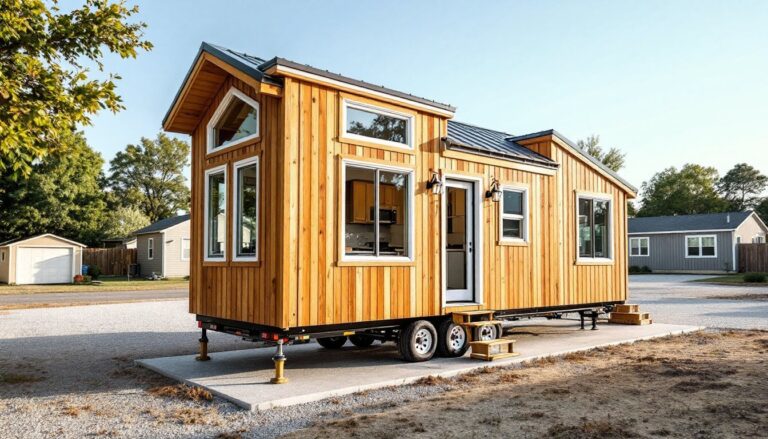
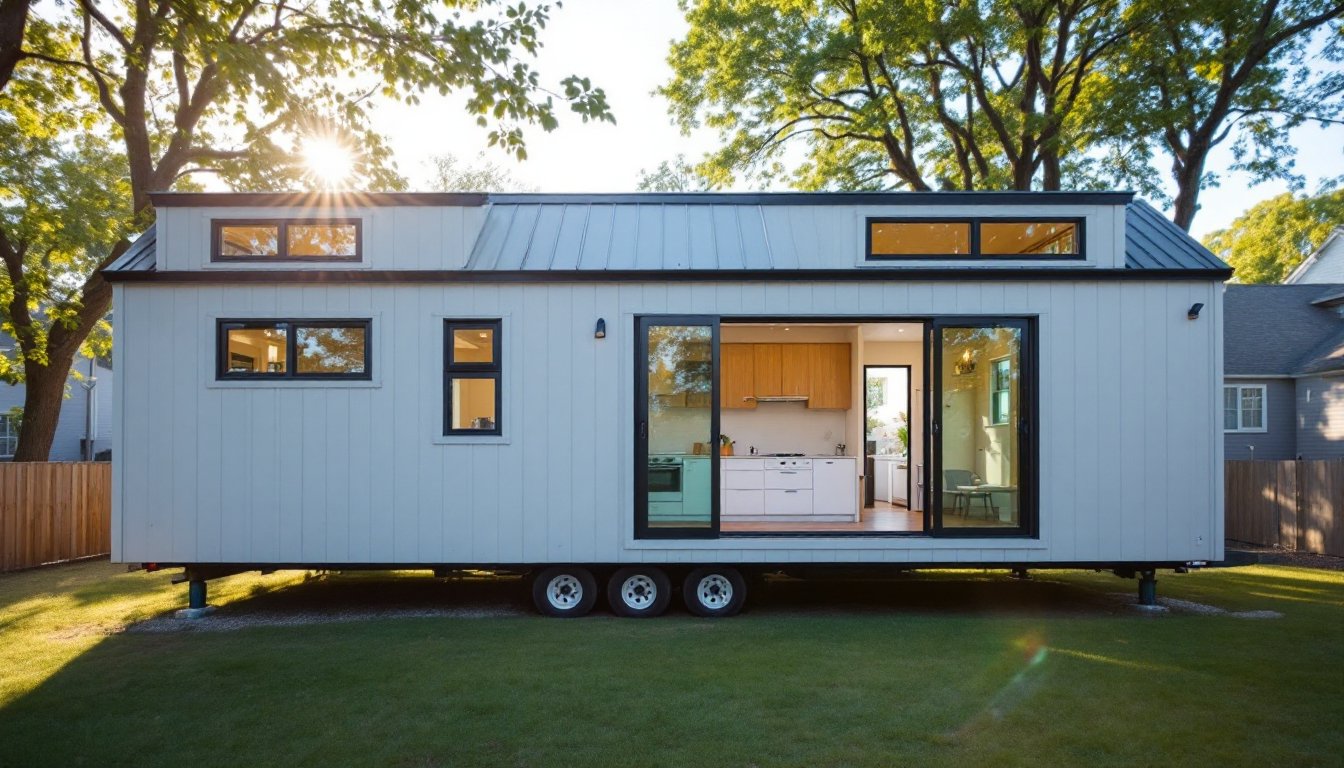
ToggleA 16×40 tiny house delivers 640 square feet of livable space, enough room for comfortable independent living without the maintenance burden of a conventional home. Whether you’re building as a primary residence, guest house, rental unit, or backyard dwelling, this footprint hits a sweet spot: large enough to avoid claustrophobia, compact enough to keep construction and utility costs reasonable. The key to success lies in smart layout choices, intentional design decisions, and understanding what building one actually requires. This guide walks you through the practical realities of designing and constructing a 16×40 tiny house, from layout fundamentals to zoning regulations.
Key Takeaways
- A 16×40 tiny house provides 640 square feet of livable space—enough for comfortable independent living as a primary residence, guest house, or rental unit without excessive maintenance costs.
- The elongated 40-foot length creates distinct functional zones (entry, living, bedroom, bathroom) that make the space feel larger and more livable than boxy designs.
- Smart 16×40 design relies on multi-functional spaces, vertical storage, consistent flooring, and abundant natural light to maximize the perception of space and minimize clutter.
- Construction costs for a 16×40 tiny house range from $90,000–$170,000 total (shell plus finishing), with simple platform framing and utility runs that benefit from the narrow profile.
- Zoning regulations and building permits are critical—most jurisdictions classify a 16×40 structure as a dwelling requiring inspections, so verify local codes and setback requirements before breaking ground.
- Kitchen and bathroom efficiency matters most: plan for full-size appliances and 40–50 square feet of bathroom space to avoid cramped, frustrating living conditions long-term.
Understanding 16×40 Tiny House Dimensions and Layout
A 16×40 footprint translates to 16 feet wide and 40 feet long. At roughly 640 square feet, this gives you room for a 1- to 2-bedroom layout depending on how you divide the space. Most builders split the 16-foot width into a central living area flanked by utilities on one side and a bedroom or bathroom on the other.
The 40-foot length is your main advantage. Unlike square-shaped designs that feel boxy, the elongated profile lets you create distinct zones: entry/mudroom, living/kitchen, bedroom(s), and bathroom. This separation makes the space feel larger mentally even though the square footage stays the same.
Nominal framing dimensions matter here. Your exterior walls consume roughly 6–8 inches of width (2×4 studs plus sheathing and siding), leaving you with approximately 15 feet of usable interior width. Plan your interior accordingly. A full-width living room eats 14–15 feet, leaving minimal hallway. Staggering bedroom and living areas along the 40-foot length works better. Standard interior walls (2×4 with drywall both sides) take about 4.5 inches of depth.
Design Considerations for Your 16×40 Footprint
Multi-Functional Living Spaces
Small footprints demand multitasking rooms. Your living area often doubles as dining space, and your kitchen might open directly into the living zone without a wall. This open plan maximizes perceived space but requires thoughtful storage design. Open shelving above counters, built-in benches with under-seat storage, and wall-mounted desks are standard tiny-house tricks.
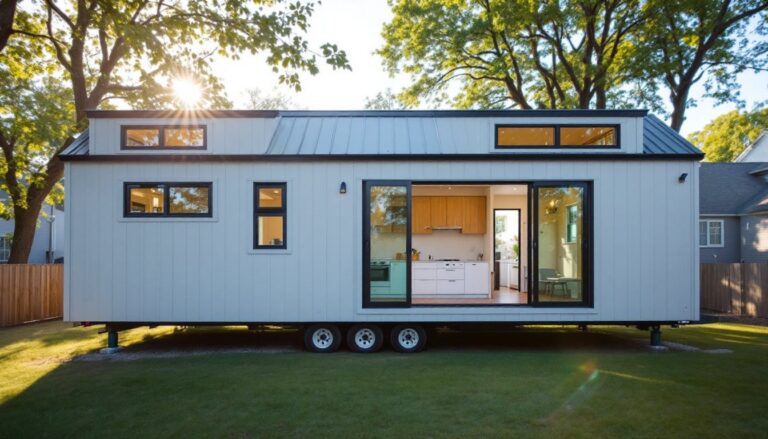
Windows and natural light are non-negotiable. More light makes 640 square feet feel expansive. Plan for windows on multiple walls, not just one side. The long profile means north- and south-facing walls: orient your living spaces to southern windows for passive solar gain if your climate allows. Skylights or clerestory windows along the roof ridge add light without sacrificing privacy.
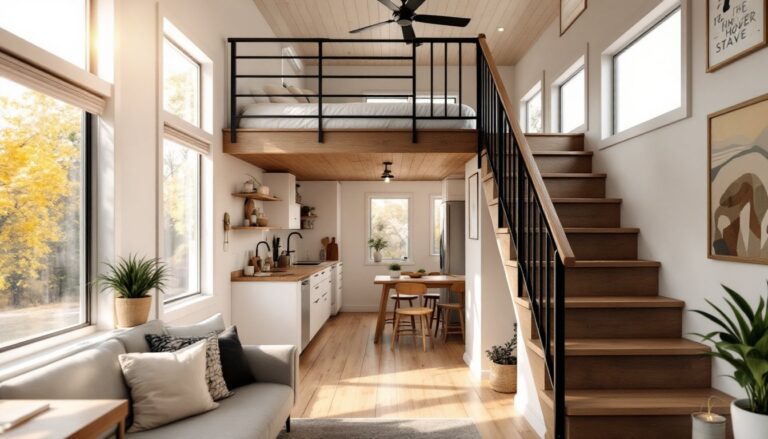
Vertical storage dominates tiny-house design. Floor space is premium: walls are free. Tall cabinets, ceiling-height shelving, and loft sleeping areas use volume you’d otherwise waste. A sleeping loft above an entry or living area can reclaim 80–120 square feet for a dedicated bedroom without consuming floor space.
Floor materials affect how the space feels. Continuous flooring (same material throughout) creates visual continuity and feels less choppy than multiple material transitions. Concrete, polished to a light color, or light-toned wood-look vinyl, work well. Avoid heavy area rugs that chop the space visually, they’re clutter in a small footprint.
Cost and Building Considerations
Material costs for a 16×40 structure run roughly $60,000–$120,000 for a basic shell (framing, roof, exterior, utilities rough-in), depending on your region, material choices, and labor availability. Finishing the interior (drywall, flooring, cabinetry, appliances) typically adds another $30,000–$50,000, bringing total costs to $90,000–$170,000. These are ballpark figures: they vary sharply by location and whether you’re doing some work yourself.
Framing a 16×40 is straightforward platform framing, no unusual structural demands. The 16-foot span is short enough that standard 2×10 floor joists (spaced 16 inches on center) handle residential live loads without additional support. Roof framing can be conventional trusses (easiest and cheapest) or stick-built (gives you loft options but requires more skill). Most builders opt for trusses unless they specifically need attic space.
Utility runs benefit from the long, narrow profile. You can run supply and vent lines along one wall without snaking through multiple rooms. This simplifies plumbing and mechanical install, saving labor and material. Plan your kitchen, bathroom, and water heater location on the same wall when possible.
Foundation type affects cost significantly. A concrete slab costs less than a full basement but limits future modifications. Pier-and-beam foundations are common for tiny homes because they’re faster, allow easier utility access, and work on uneven terrain. Check local codes and soil conditions, they drive the choice.
Interior Design Tips for Small-Space Living
Color and material choices disproportionately affect how a small space feels. Light paint (whites, off-whites, pale grays) reflect light and expand the visual footprint. Dark accent walls work as long as one wall stays light and faces a light source. Glossy finishes on trim or cabinetry reflect light: matte finishes feel heavier and closer.
Kitchen appliances for 640 square feet should be efficient but livable. A standard 30-inch range, full-size refrigerator, and dishwasher fit without crowding if you plan the layout carefully. Compact 24-inch appliances are tempting but frustrating long-term, avoid them unless forced by geometry. A small kitchen (8–10 feet long) still needs counter space. An island or peninsula adds workspace without adding footprint if designed tight against cabinets.
Bathroom design often determines livability. A full bathroom with shower, toilet, and vanity in just 32–40 square feet is possible but feels cramped. Aim for 40–50 square feet if budget allows. A tub-shower combo saves space versus a separate tub, and a corner sink frees wall space. Wall-hung vanities make tiny bathrooms feel larger because you see floor underneath.
Storage is the hidden challenge. Kitchen pantries, a small closet system, and under-stair storage fill gaps. Small kitchen solutions from design-focused sources reveal tricks like vertical dividers, pull-out shelves, and deep drawers that maximize cabinet efficiency. Plan storage during the design phase, not after framing, it’s cheaper and more effective.
Legal and Zoning Factors to Know Before Building
Before you break ground, confirm zoning and building code compliance in your jurisdiction. A 16×40 tiny house is large enough that most jurisdictions classify it as a dwelling, not an accessory structure. You’ll likely need a building permit, and that triggers inspections for electrical, plumbing, and framing.
Minimum ceiling height is typically 7 feet, with some codes allowing 6 feet 8 inches in secondary spaces (closets, bathrooms, under eaves). A 12/12 pitched roof (steep) uses interior height: a 6/12 pitch is flatter and gives more usable space. Loft sleeping areas often require 5 feet of headroom at the bed, not 7, which codes usually allow.
Septic or sewer connection depends on your site. Rural property may require a National Sanitation Foundation (NSF)-certified septic system, which adds $3,000–$8,000 and needs drainfield space. Urban properties tap into municipal sewer, which is simpler if available.
Electrical service is often overlooked. A tiny house doesn’t need a massive panel, but it should have a dedicated 200-amp service (standard for residential) or at minimum 100-amp if utilities permit. This costs $1,500–$3,000 for a new installation, so budget accordingly. Reference the National Electrical Code (NEC) Article 210 for outlet spacing and circuit requirements, your inspector will.
Zoning restrictions may limit where you can place a 16×40 structure on your property. Setback requirements (distance from property lines) vary wildly. Some jurisdictions restrict tiny homes to backyard accessory dwelling units (ADUs): others allow primary residences. Check with your local planning department before purchasing land or signing a builder contract. Assuming you can build there later is risky.
Conclusion
A 16×40 tiny house works because it balances livable space with affordability and simplicity. Smart layout, intentional design, and honest understanding of what small-space living requires are what separate successful builds from cramped mistakes. Start with zoning and permits, nail your layout, and trust that 640 square feet is plenty when every foot earns its keep. Building science and construction best practices ensure your tiny house stands for decades, not years.