Table of Contents
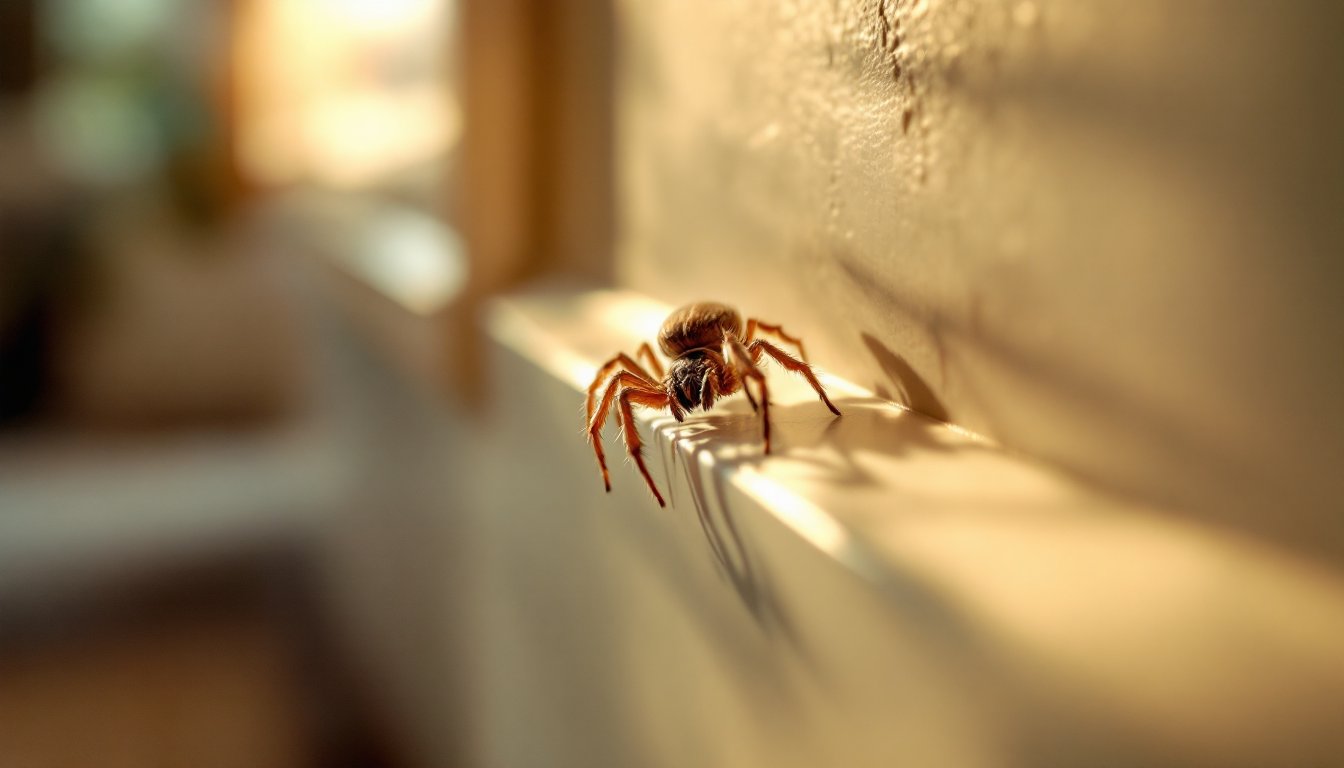
ToggleFinding tiny brown spiders in your house can be unsettling, even if you know they’re mostly harmless. These eight-legged visitors show up more often than homeowners expect, especially during fall and winter when they seek warmth and shelter. Understanding what species you’re dealing with, why they’re attracted to your home, and how to handle them effectively makes the whole situation far less stressful. This guide walks you through identification, prevention strategies, and removal methods that actually work, so you can reclaim your space without unnecessary pest control expenses.
Key Takeaways
- Tiny brown spiders in your house are usually harmless and actually beneficial since they feed on common household pests like gnats, flies, and mosquitoes.
- Most indoor brown spiders are common house spiders or jumping spiders, not dangerous brown recluses, which are rare outside the central and southern United States.
- Preventing tiny brown spiders starts by removing their food sources and moisture by sealing entry points, reducing insect populations, and fixing drainage issues—which can cut indoor sightings by 60–70%.
- Use the gentle cup-and-paper removal method for occasional spiders rather than insecticides, as it preserves the natural pest control benefits spiders provide.
- Call a professional pest control service only if you have a confirmed brown recluse infestation, persistent spider sightings (more than one per room weekly), or health concerns about bites.
Common Types of Tiny Brown Spiders Found Indoors
Most of the small brown spiders homeowners encounter fall into a handful of species. The brown recluse is the most notorious, it’s small (about ¼ inch body length), tan to dark brown, and has a distinctive violin-shaped marking on its cephalothorax (the fused head and thorax section). But, brown recluses are actually quite rare outside certain regions, particularly the central and southern United States.
More common indoors are common house spiders (genus Parasteatoda), which are larger than brown recluses and less aggressive. They’re the ones building webs in corners. Jumping spiders are another frequent visitor, they’re small, stocky, and have forward-facing eyes that make them look almost curious. They don’t build webs and are genuinely harmless.
The American house spider (Parasteatoda tepidariorum) is perhaps the most common domestic species. It’s brown or gray, about ⅛ to 5/16 inch long, and prefers dark, quiet corners. Sac spiders (Clubiona species) are also prolific indoors, they’re pale brown to tan, about ⅛ inch long, and hunt actively at night, which is why homeowners sometimes see them crawling on walls after dark.
Unless you live in brown recluse territory (southern and central US states), the likelihood of having one is low. That said, if you spot a spider with the violin marking and you live in a risk region, document it with a photo and contact your local pest control or university extension office for confirmation before panicking.
Why Tiny Brown Spiders Enter Your Home
Food Sources and Moisture Attraction
Spiders don’t come indoors to live in your house for fun, they follow their food supply. Tiny brown spiders hunt insects like gnats, flies, mosquitoes, and other small pests. If your home has a thriving insect population, spiders are the logical next step in the food chain. Poor housekeeping, open trash, standing water, or nearby outdoor vegetation all attract insects, which in turn attract spiders.
Moisture is another major draw. Spiders need humidity to survive: their bodies lose water easily. Basements with poor drainage, bathrooms without adequate ventilation, and kitchens with leaky pipes create ideal conditions. Check for condensation on windows, water stains, or musty smells, these are spider-friendly zones.
Outdoor conditions matter too. Leaf litter, mulch, and overgrown shrubs pressed against your house are spider highways. They crawl in through cracks around foundation lines, gaps around pipes and utilities, and openings under doors. As temperatures drop in fall, spiders naturally seek warm shelter indoors. It’s not an invasion: it’s survival instinct.
Natural Prevention Methods for Brown Spiders
The most effective spider prevention starts with removing their food source and habitat. Here’s what actually works:
Reduce insect populations. Seal food containers tightly, take trash out regularly, and don’t leave dirty dishes sitting around. Wipe up spills immediately, they attract small flies and gnats. Store pantry staples in airtight containers, not open boxes. Check window sills and corners for dead insects: vacuum them up. These debris piles are spider buffets.
Fix moisture problems. Run exhaust fans in bathrooms and kitchens during and 20–30 minutes after showers or cooking. Check under sinks for drips. Use a dehumidifier in basements: most people find the sweet spot is 40–50% relative humidity. Ensure gutters and downspouts direct water away from your foundation. Grade your lawn so water slopes away from the house.
Seal entry points. Caulk gaps around window frames, door frames, and baseboards with silicone caulk (it lasts longer than latex). Install door sweeps on exterior doors to close the gap at the bottom. Weatherstrip leaky doors. Caulk around penetrations where pipes, electrical lines, and HVAC ducts pass through walls. According to testing by homeowners evaluating seasonal maintenance, sealing just foundation-level cracks can cut indoor spider sightings by 60–70%.
Reduce outdoor harbors. Trim bushes and tree branches away from siding by at least 2 feet. Keep mulch 12 inches away from the foundation. Rake leaf litter in fall, don’t let it pile against the house. Move firewood stacks 20 feet away from the house.
Declutter indoors. Spiders love dark, undisturbed spaces. Store items off the floor in closets. Keep the garage organized. Vacuum regularly, paying special attention to corners, under furniture, and closet shelves where spiders hide and build webs.
Quick Removal Techniques That Actually Work
When you spot a spider, you have several options depending on your comfort level:
The cup-and-paper method. This is the gentlest approach. Place a drinking glass over the spider, slide a piece of paper underneath, and carry it outside away from your house. Open the paper and let the spider walk off into grass or shrubbery. It works for wall spiders and floor spiders alike. The spider is unharmed, and you avoid killing something that’s actually beneficial (spiders eat lots of pests).
Vacuum removal. Turn on a vacuum and suck up the spider and its web. This works well for spiders already in corners or webs, but keep the vacuum running for 30 seconds after capturing the spider, the air current and noise can disorient and trap it inside the bag, preventing escape. Some people prefer this method because it’s quick and you don’t have to get close.
Insecticidal spray. If you prefer chemical removal, use a targeted indoor insecticide labeled for spiders. Products containing pyrethrins (derived from chrysanthemum flowers) or synthetic pyrethroids are effective and break down quickly indoors. Always follow label directions. Spray directly on the spider from a distance of 12–18 inches. Do not spray around food prep areas, and ensure children and pets are out of the room. Wear nitrile gloves and avoid inhaling spray mist.
Research from expert home cleaning resources shows that the cup-and-release method is most effective long-term because it doesn’t disrupt the ecosystem that helps control other pests. But, if you live in a confirmed brown recluse area and you’re certain that’s what you have, professional removal is safer than DIY handling.
When to Call a Professional
You don’t need a pest control service for occasional spiders, most homeowners can handle isolation cases themselves. But, reach out to a professional if:
You have a confirmed brown recluse infestation in an endemic region. If you’ve found multiple spiders fitting the brown recluse description (violin marking, small, tan-brown color) and you live in Texas, Oklahoma, Kansas, Missouri, Arkansas, or surrounding areas, a professional pest control company can do a thorough inspection and targeted treatment. Brown recluse bites are rare, but they can cause tissue damage if a bite becomes infected. Pros have the expertise and products to address a real infestation.
Spiders are everywhere, even though your prevention efforts. If you’re seeing them constantly, more than one per room per week, you likely have a serious insect problem feeding them. A pest control professional can identify the underlying pest issue (rodents, bed bugs, roaches, termites) and address the root cause.
You have a compromised immune system or health concerns. If you’re immunocompromised or allergic to insect bites, let professionals handle spider identification and removal.
Most reputable pest control companies charge $100–$300 for an inspection and initial treatment. Get quotes from at least two licensed, insured companies. Ask if they use integrated pest management (IPM) principles, that means they focus on prevention, exclusion, and minimal pesticide use rather than blanket spraying.
Conclusion
Tiny brown spiders in your house are usually harmless and actually helpful, they eat the gnats, flies, and mosquitoes you don’t want around. Identifying what species you have removes unnecessary fear. Prevention through sealing entry points, reducing moisture, and eliminating insect populations works far better than endless removal. For the occasional spider, grab a cup and piece of paper. For widespread infestations or confirmed brown recluse sightings in endemic regions, a licensed pest control professional is your best bet. A little prevention today means fewer unwanted eight-legged guests tomorrow.