Table of Contents
ToggleFinding a tiny spider in your home doesn’t mean you’ve got an infestation, it usually means you’ve got a visitor. Homeowners often panic at the sight of any eight-legged creature, but tiny house spiders are actually harmless and, as it turns out, pretty useful. Understanding what they are, why they’re there, and how to handle them respectfully can change how you think about these small creatures sharing your space. This guide covers identification, practical prevention strategies, and humane removal methods so you can feel comfortable and in control.
Key Takeaways
- Tiny house spiders are harmless, beneficial creatures that naturally consume dozens of insects daily, including mosquitoes, fruit flies, and gnats—making them effective free pest control for your home.
- Common indoor species like American house spiders, jumping spiders, and cellar spiders pose no threat to humans and serve as an early warning system for underlying insect problems rather than indicating an infestation.
- Prevent tiny house spiders from entering by sealing cracks and gaps larger than 1/8 inch, reducing moisture to 30–50% humidity, eliminating food sources, and keeping doors and windows closed with intact screens.
- The humane cup-and-paper method is the safest and easiest removal option—simply place a cup over the spider, slide paper underneath, and release it at least 10 feet from your home’s foundation.
- Finding a single tiny house spider indoors is not a sign of infestation but rather an opportunity to improve your home’s pest management and moisture control naturally without chemicals.
What Are Tiny House Spiders?
Tiny house spiders are small arachnids that commonly enter homes, typically ranging from 2 to 10 millimeters in body length. Unlike their larger cousins, these spiders pose no threat to humans, they don’t bite unless severely provoked, and their venom is negligible to people. What distinguishes them from outdoor spiders is their behavior: they’ve adapted to indoor environments where they hunt insects and thrive in stable temperatures.
These spiders are attracted to homes because houses offer shelter, consistent climate control, and abundant prey. They’re not interested in you: they’re interested in the gnats, fruit flies, and other small insects that make their way indoors. Think of them as free pest control.
Common Species Found Indoors
The American house spider is the most frequently spotted tiny spider indoors. It’s pale tan to brown, often with darker markings, and builds messy cobwebs in corners and ceilings. If you’ve ever seen those tangled webs gathering dust in a corner, that’s usually an American house spider at work.
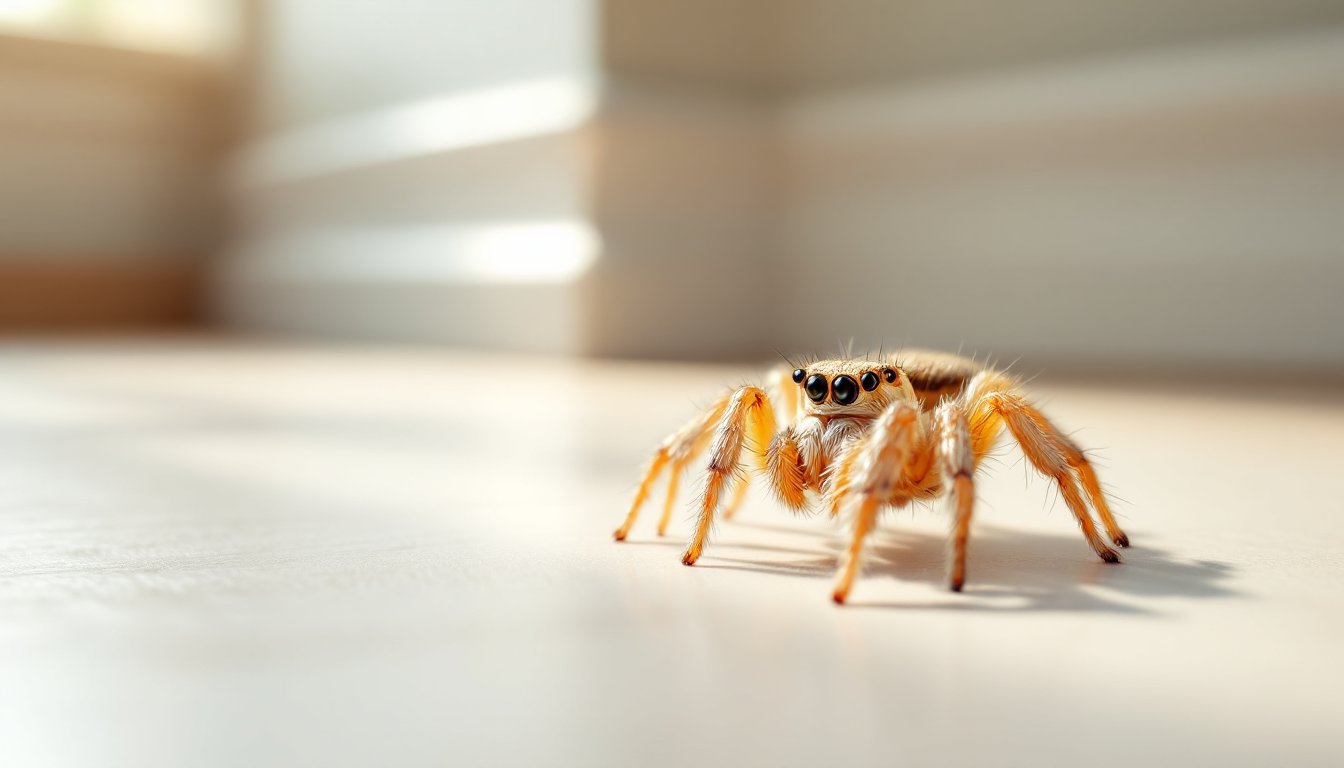
Another common indoor visitor is the jumping spider. These have a more compact, stocky body and forward-facing eyes that give them an almost adorable appearance. Unlike web-builders, jumping spiders actively hunt by pouncing on prey, and they’re quick enough to seem startling if you spot one mid-scurry.
The cellar spider (sometimes called a daddy longlegs) has an extremely thin body and long, delicate legs. They prefer damp, dark areas like basements and crawl spaces. Even though their fragile appearance, they’re efficient hunters in humid environments.
Brown recluses are worth mentioning, though rare in most homes and primarily found in the American South and Midwest. If you live in a region where they’re present and suspect you’ve seen one, take a clear photo and contact a local pest control professional for identification. Most tiny brown spiders people find are harmless brown house spiders, not recluses.
Why Spiders Enter Homes and When
Spiders don’t break in, they wander in through gaps, cracks, and open doors looking for food and shelter. Cooler months (fall and early winter) see an uptick in indoor spider activity because outdoor insects become scarce and spiders seek the warmth of homes. A spider might slip under a door frame, through a gap around a window, or hitch a ride on a box or piece of furniture brought inside.
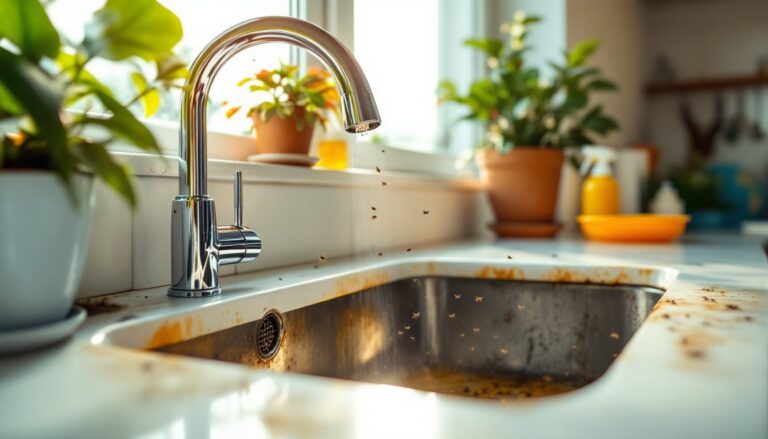
Humidity also plays a role. Cellars, basements, and bathrooms attract moisture-loving species because these spaces harbor the insects they hunt. Kitchens are another hotspot, fruit flies and gnats gravitate toward food and water, drawing spiders in their wake.
Spiders don’t build nests in the way termites or ants do. A single spider might stay in one spot for weeks if food is plentiful, or move on after a few days if hunting is poor. They’re solitary and don’t communicate with each other, so finding one spider doesn’t mean more are coming.
Simple Prevention Strategies to Keep Spiders Out
Preventing spiders starts with reducing their food source and blocking entry points. Here’s what works:
Seal cracks and gaps. Walk around your home’s perimeter and look for openings around windows, doors, and foundation cracks. Use caulk or weatherstripping to seal gaps larger than 1/8 inch. Pay special attention to basement window wells and foundation corners where spiders often congregate. This dual benefit also improves energy efficiency.
Keep doors and windows closed. Simple as it sounds, a closed door is your first line of defense. Install door sweeps on exterior doors and ensure screens are intact. Small tears in screens are entry points.
Reduce moisture in basements and crawl spaces. Spiders (especially cellar spiders) thrive in damp areas. A dehumidifier set to maintain 30–50% humidity can dramatically reduce spider activity. Ensure gutters drain properly and downspouts direct water at least 4 feet away from the foundation.
Eliminate food sources. Fewer insects mean fewer reasons for spiders to visit. Take out trash regularly, don’t leave pet food sitting out overnight, fix leaky faucets that attract insects, and keep fruit in sealed containers. Using a drain trap in sinks and tubs prevents small insects from becoming breeding grounds.
Reduce clutter and clean regularly. Spiders hide in boxes, stored items, and undisturbed corners. When you declutter, you remove harborage areas. Vacuuming regularly (including corners and under furniture) removes both spiders and their food sources.
Use spider repellents cautiously. Top-rated spider repellents include plant-based options like peppermint oil and commercial sprays. If you use repellents, apply them around entry points and dark corners, never indiscriminately throughout your home. Most are safe for homes with pets if used as directed, but read labels carefully.
Safe and Humane Removal Methods
If a spider’s already moved in and you want it gone, you have options that don’t involve killing it.
The cup-and-paper method is the gold standard. Place a clear cup or jar over the spider, slide a piece of paper underneath, and carefully carry it outside. Release it at least 10 feet from your home’s foundation so it won’t immediately return. This takes about two minutes and harms nothing.
Vacuuming works for cobwebs and the spiders that build them, though you’ll need to catch the spider itself. Use a handheld vacuum or attachment to gently suck up the web, then immediately seal the vacuum bag and remove it to your trash. The spider usually ends up in the bag.
Broom and dustpan work for faster-moving spiders like jumpers. Gently guide the spider into a dustpan with a soft brush and release it outside.
Insecticides should be a last resort. If you absolutely must use one, choose a product labeled for indoor use and follow directions precisely. Wear gloves and ensure good ventilation. Many homeowners find non-lethal methods easier, faster, and less toxic than spraying, especially in homes with children or pets.
Whatever method you choose, act calmly. A panicked approach leads to mistakes and crushed spiders. Most tiny spiders move slowly enough that a deliberate, steady hand will succeed.
The Benefits of Having Spiders Around
Here’s a perspective shift: spiders in your home are working for you. A single spider can consume dozens of insects per day, including mosquitoes, gnats, flies, and small moths. If you’re dealing with fruit flies or fungus gnats in your kitchen, a jumping spider or house spider in that area will make a noticeable dent in the population.
Spiders also serve as an early warning system. A sudden spike in spider activity suggests you have an underlying insect problem that needs attention, fix the root cause (moisture, food sources, entry points) and both insects and spiders usually decline naturally.
Many homeowners find that tolerating a few spiders and their webs in less-visible corners is a fair trade for pest control. If you’re planning a significant remodel or redesign, creating smart storage solutions and sealing issues can naturally reduce both spider and pest populations without chemicals. Design-forward home improvement strategies like those featured in budget home renovation ideas often include moisture control and pest-proofing as part of the overall plan.
For those managing small spaces or apartments, where pest control is shared responsibility, a few resident spiders are often your most reliable ally.
Conclusion
Tiny house spiders are harmless, helpful, and easily managed. Identifying what you’re dealing with, sealing entry points, and reducing insects removes the reasons they visit in the first place. If one does settle in, the cup-and-paper method sends it on its way with zero fuss. Most importantly, a single spider is not a sign of infestation, it’s a sign you’ve got a working pest control unit right in your wall. The next time you spot a tiny eight-legged visitor, you can approach it with confidence rather than panic.