Table of Contents
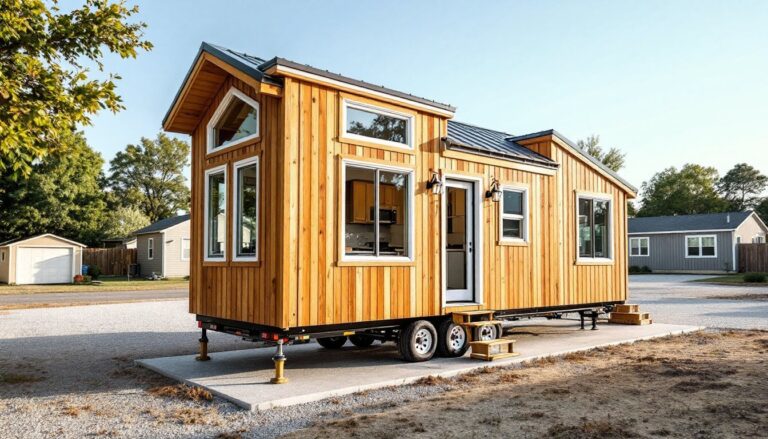
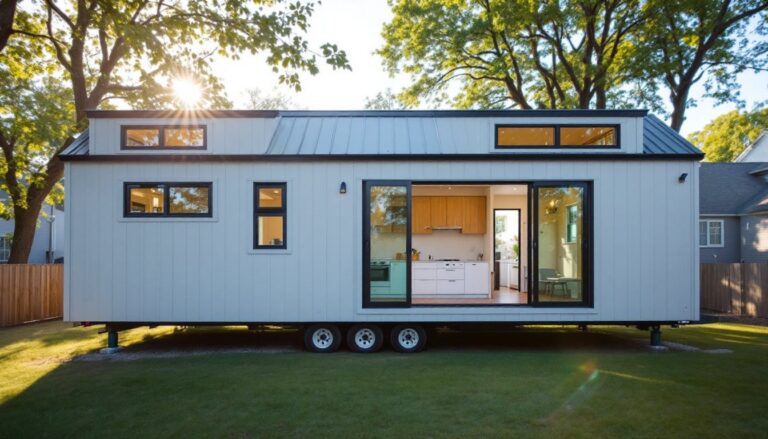
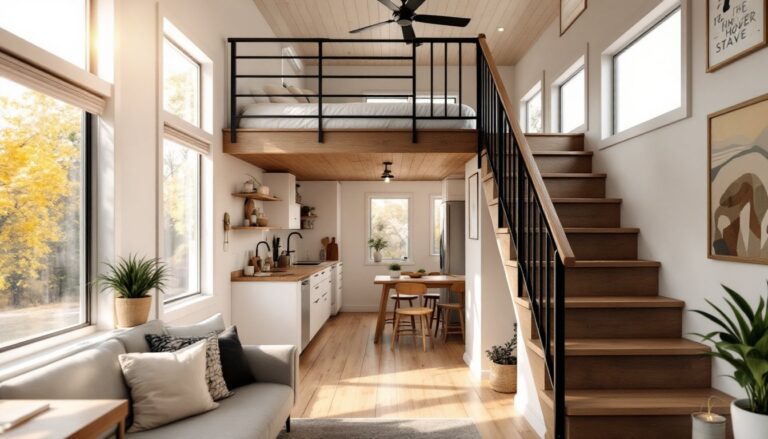
ToggleTiny house living has evolved beyond minimalist aesthetics into a practical solution for homeowners seeking affordability and sustainability. Yet one challenge persists: where do you park the car, store tools, or keep seasonal equipment? Adding a garage to a tiny house solves this real-world problem while unlocking unexpected design possibilities. A well-planned garage transforms a compact home into a fully functional property, offering storage, shelter, and even potential income through workspace rental. The key is thoughtful layout and smart design decisions that treat the garage as an integral part of the home rather than an afterthought. This guide walks you through designing and building a tiny house with a garage that actually works for how you live.
Key Takeaways
- A tiny house with a garage solves critical storage and vehicle protection challenges while increasing property resale value and reducing heating and cooling costs through shared structural elements.
- Side-loaded or attached garage layouts work best for tiny homes, preserving the main house aesthetic and lowering construction costs while keeping the design feeling integrated rather than tacked-on.
- Thoughtful design details like mudroom transitions, sound-dampening doors, proper driveway slope, and smart garage door placement prevent functionality issues and maintain separation between work and living zones.
- Vertical storage solutions—wall-mounted shelving, pegboards, magnetic strips, and ceiling-mounted racks—maximize garage utility without consuming valuable floor space needed for vehicles and workspace.
- Moisture control through vapor barriers, ventilation, and wall finishing protects tools and stored items from rust and mold, essential in humid climates where garage storage is critical.
- Clarifying your garage’s primary purpose (parking, workshop, storage, or all three) before design ensures every decision aligns with how you actually live in a tiny house.
Why Add a Garage to Your Tiny House
A garage transforms a tiny house from a lifestyle choice into a practical living situation. Vehicle storage alone justifies the investment, parking exposed to weather shortens vehicle lifespan and increases maintenance costs. Beyond vehicles, garages solve the storage crisis that kills tiny house dreams. Tools, seasonal décor, bikes, lawn equipment, and overflow from the main living space need somewhere to go without cramping interior square footage.
The garage also increases property resale value. Homes without vehicle storage or dedicated work areas appeal to a narrower buyer pool, especially in regions with harsh winters or security concerns. A finished or semi-finished garage adds living flexibility. Some owners convert it to a workshop, guest quarters, or rental studio. An architect famously converted her parents’ garage into a 170-square-foot tiny home, demonstrating how garages can solve housing challenges while maintaining a small footprint.
From a building perspective, the garage foundation and structural frame can simplify the main house design. Attaching the garage shares thermal mass and reduces exposed wall area on the primary structure. This lowers heating and cooling costs while making the home feel less cramped from the outside, the garage anchors the visual composition and grounds the proportion of a small footprint.
Layout and Design Strategies for Tiny Houses With Garages
Planning the relationship between garage and living space determines whether the design feels integrated or tacked-on. The garage footprint typically ranges from 200 to 400 square feet for a single-car setup, depending on whether you want workspace. A double-car garage (400–600 sq ft) eats significant land but offers genuine utility. Most tiny house builds land in the 300–350 sq ft range, enough for one vehicle plus workbench and storage shelving.
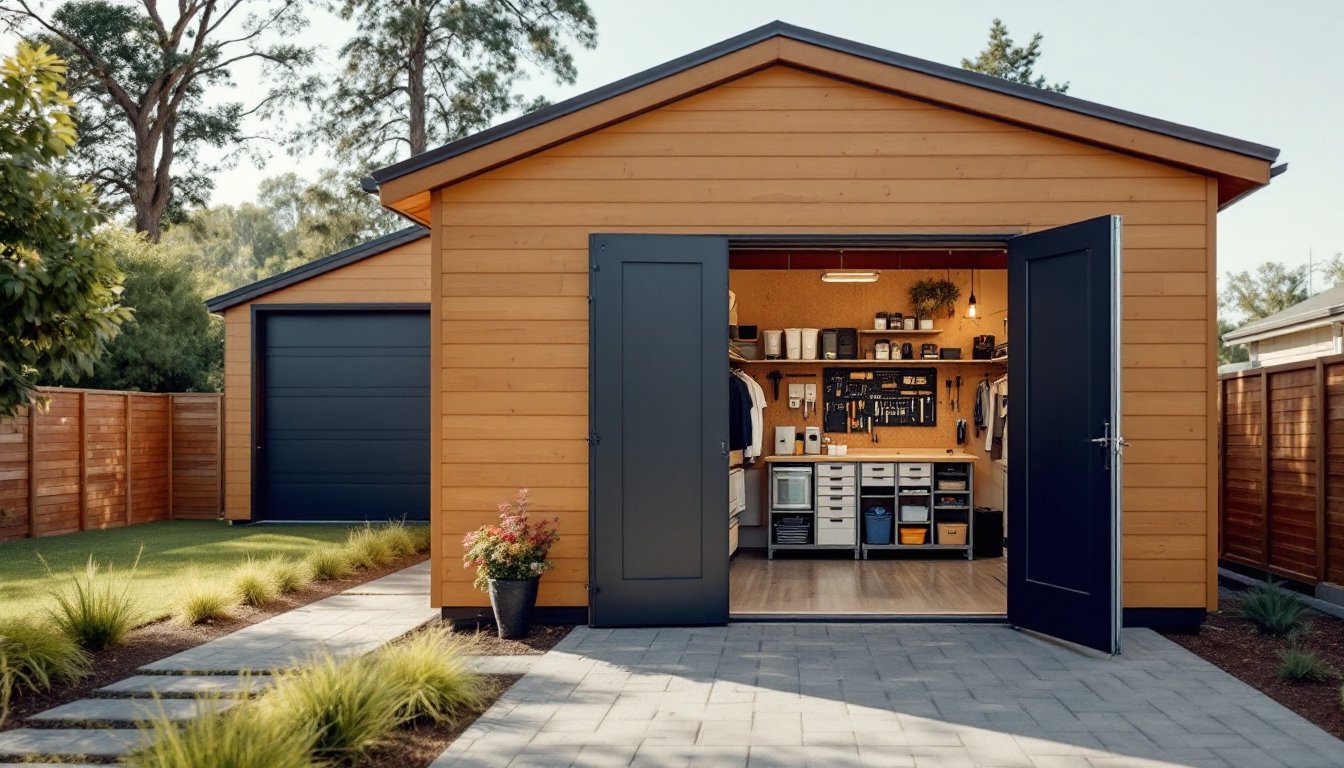
Orientation matters enormously. A side-loaded garage keeps the main house facade clean and preserves front-entry charm. A front-facing garage demands a driveway that eats into usable outdoor space: reserve this layout if land is abundant or parking is a genuine bottleneck. Attached garages share a wall with the house, lowering construction costs and simplifying utilities. Detached garages cost more to build but offer sound isolation and flexibility for future expansion.
Internal access between garage and house should feel intentional. A mudroom or transitional space prevents dust and tool clutter from migrating into the living area. This buffer might be just a small vestibule with hooks and a bench, not wasted space, but intentional separation. Overhead storage in the garage (loft-style shelving anchored to joists) keeps the floor clear and maximizes vertical real estate.
Open Concept and Flow
Tiny houses rely on visual openness to feel larger, but the garage must read as a separate zone. Large windows or glass garage doors facing the driveway bring natural light into the garage while maintaining sightlines from the main living area. Some designers specify 40–50% operable windows in garage walls: this aids ventilation when the garage door is closed and prevents the space from feeling like a dungeon.
If the garage adjoins the kitchen or dining area, sound-dampening becomes critical. Garage doors (especially motorized ones) generate noise: thicker weatherstripping and insulated door panels reduce transmission into the house. A door with sweeps and proper threshold sealing also keeps pollen and cold air from creeping into living space. The transition from garage to interior should signal a shift in function, a step up, a threshold, a material change, without feeling abrupt.
Garage Placement and Access
The driveway approach deserves as much thought as the garage structure itself. A short, wide driveway (at least 12 feet wide for single-car access, 20 feet for two-car) makes parking stress-free. Slope the driveway away from the foundation at a minimum 2% grade (roughly 1⁄4 inch per foot) to shed water and prevent pooling. Permeable pavers or gravel reduce impervious surface, an advantage for lot drainage and aesthetic integration with landscaping.
Clearance around the garage door swing is often overlooked. The typical residential roll-up door requires about 3 feet of vertical clearance above the driveway: overhead fixtures, power lines, or landscaping that intrude into this zone create hazards. Position the door so it doesn’t open directly into a sidewalk, fence, or adjacent property. If land is tight, a sliding barn-style door or side-hinged carriage doors offer alternatives, though they require more interior clearance for the swing arc.
Electric garage door openers add convenience but demand a dedicated 240V or 120V circuit (check local electrical code). Position the button or remote receiver away from bedrooms, opener noise and operation lights can disturb sleep. Many jurisdictions now require smart openers with backup power and safety sensors, so verify requirements with your local building department before purchase.
Smart Storage Solutions
A garage without intelligent storage quickly becomes a cluttered dumping ground. Vertical storage rules in tiny house thinking. Wall-mounted shelving units (adjustable metal shelves rated for 200–500 lbs per shelf) run the length of two walls, leaving the floor open for the vehicle and workspace. Pegboards above workbenches hold hand tools and keep surfaces clear. Magnetic strips on walls corral metal tools, chisels, screwdrivers, drill bits, where they’re visible and accessible.
Overhead storage transforms cubic footage. Ceiling-mounted racks (installed into 2×10 or 2×12 joists, not drywall) hold seasonal items, spare lumber, or coolers. Load capacity depends on joist spacing and grade: a typical residential floor system with 16-inch on-center joists supports 10–15 lbs per square foot distributed across the platform. Use storage solutions that prioritize safety and accessibility, avoiding placing heavy or frequently-needed items high overhead where retrieval is dangerous.
Sectionalize storage by category. A dedicated bicycle rack near the entry, a tool cabinet with labeled drawers, a shelving unit for paint cans and supplies, small zones prevent items from spreading across the entire floor. Clear plastic bins with labels cost little and make inventory obvious at a glance. Label everything, even if it seems obvious now: future you will be grateful.
Consider moisture control. Garages in humid climates need dehumidification (a simple electric unit runs $150–400) or passive ventilation. Moisture degrades tools, invites rust, and promotes mold on stored items. A vapor barrier under gravel or pavers on the floor, plus soffit vents in garage walls, manages humidity naturally. Finish the walls and ceiling if you’re storing textiles or electronics: bare studs and OSB absorb moisture like a sponge.
Conclusion
A tiny house with a garage isn’t a compromise, it’s a thoughtful design choice that addresses real-world needs while honoring the efficiency philosophy of small-space living. The garage absorbs functions that would bloat the main house, from vehicle storage to workshops to seasonal overflow. Proper layout, smart placement, and intentional storage systems ensure the garage enhances rather than detracts from the living experience. Start by clarifying what the garage serves, parking, workspace, storage, or all three, then design accordingly. That clarity drives every subsequent decision, from orientation and access to finish level and utilities.