Table of Contents
ToggleSugar ants are a common household pest that can drive homeowners to frustration, they seem to appear overnight and march through kitchens and pantries like tiny invaders. Unlike carpenter ants or fire ants, sugar ants are attracted to sweet foods and don’t cause structural damage, but they’re incredibly persistent. The good news is that with the right identification, targeted elimination methods, and prevention habits, a homeowner can regain control of their space without calling an exterminator. This guide walks through what sugar ants are, why they’re in your home, and the DIY tactics that actually work.
Key Takeaways
- Tiny sugar ants in your house can be eliminated within 5–10 days using slow-acting ant baits that poison the entire colony through trophallaxis, rather than relying on quick-kill sprays.
- Sugar ants are attracted to sweet residues, grease, pet food, and water sources—removing both food and moisture eliminates the conditions that allow them to establish colonies.
- Sealing entry points with caulk around baseboards, pipes, and cracks prevents reinvasion and should be paired with baiting for maximum effectiveness.
- Consistent sanitation habits like wiping counters immediately after meals, storing food in airtight containers, and fixing leaky pipes are the most cost-effective long-term prevention strategies.
- Natural alternatives like food-grade diatomaceous earth and borax-based pastes work as DIY solutions, though quality baits typically resolve infestations faster than chemical sprays alone.
Identifying Sugar Ants and Why They’re Invading Your Home
Sugar ants, commonly called ghost ants or pharaoh ants depending on species, are tiny, translucent to pale brown insects typically 2 to 3 millimeters long. They’re small enough to fit through cracks and crevices that larger pests cannot navigate. Unlike carpenter ants, which tunnel through wood and can damage structural elements, sugar ants are purely a nuisance pest: they contaminate food surfaces, leave visible trails, and multiply rapidly if left unchecked.
Their colonies can contain thousands of workers, and in warm climates or heated homes, they breed year-round. A single queen can lay hundreds of eggs, which means a small population can become an infestation in weeks. Sugar ants don’t bite or sting (though pharaoh ants occasionally deliver a minor pinch), but their presence indicates a breach in your home’s cleanliness or seal.
Why they invade is straightforward: they’re searching for food, water, and shelter. A crumb on the counter, a sticky jar lid, or a dripping faucet can trigger an invasion. They communicate with pheromone trails, leaving a chemical map for other ants to follow, which is why you’ll see them in organized lines once an infestation starts.
What Attracts Sugar Ants Indoors
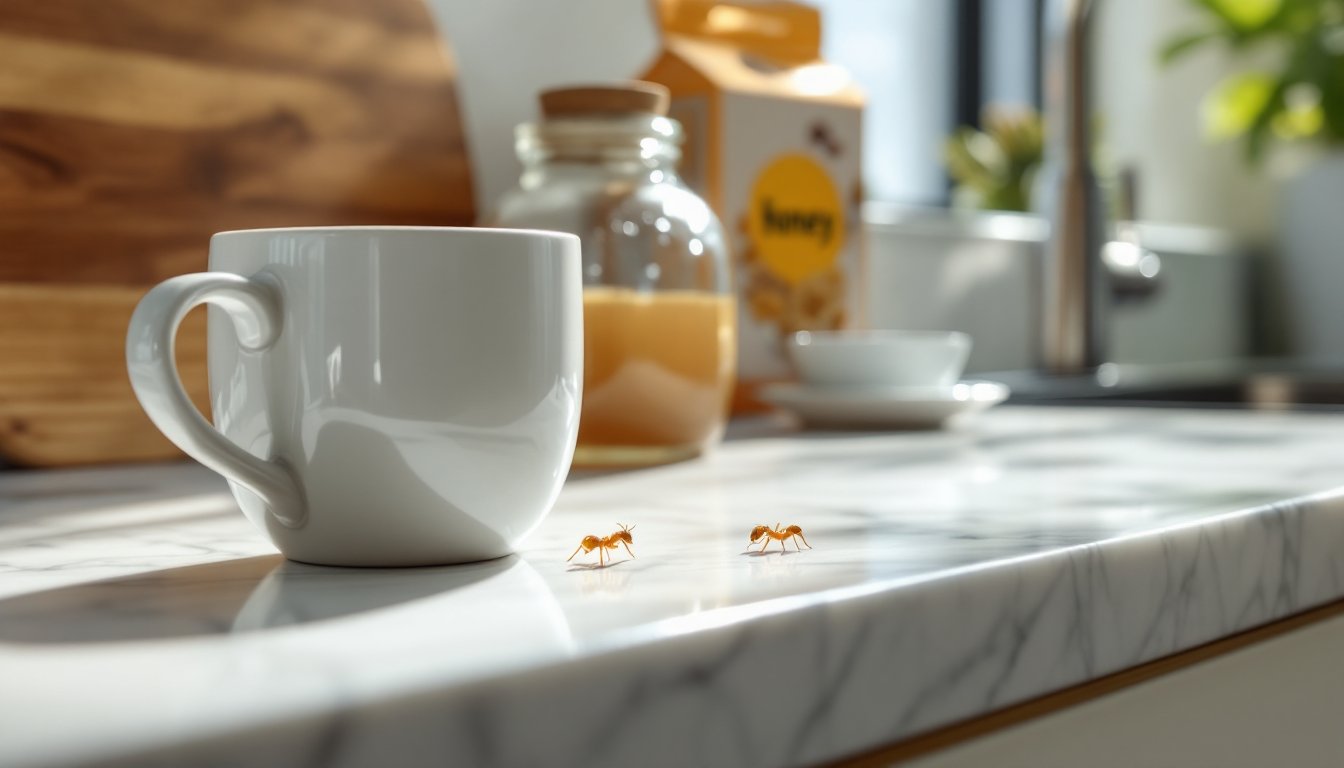
Sugar ants are drawn to specific food sources and environmental conditions. Sweet residues, honey, jam, spilled juice, and fruit, top the list. They’ll also forage for grease, pet food, and even cardboard or paper if it’s been contaminated with food particles. A kitchen is their ideal habitat because it offers multiple food sources in close proximity.
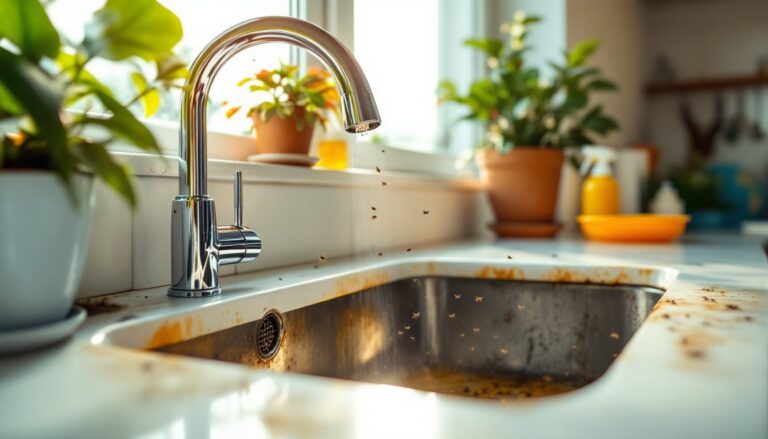
Water is equally important. A leaky pipe under the sink, condensation on a window, or standing water in a plant saucer can sustain a colony just as effectively as food. They need both to establish themselves, so addressing both is key to elimination.
Accessibility matters too. Gaps around baseboards, cracks in grout, and openings around pipes are entry points. Once inside, ants will nest in walls, under cabinets, or inside appliances, anywhere warm and protected. A homeowner might notice ants marching in from a single entry point, which is actually useful information for sealing later. Climate also plays a role: sugar ants thrive in warm temperatures (65–80°F), which is why many homeowners notice invasions during warmer months or year-round in heated homes. According to expert strategies for addressing these pests, cutting off food sources and sealing entry points are foundational steps in any elimination plan.
DIY Elimination Methods That Actually Work
Once sugar ants are spotted, acting quickly prevents them from establishing a permanent foothold. The most effective approach combines baiting with targeted sealing and sanitation. Unlike spraying, which kills visible ants but misses the colony, baiting poisons the queen and workers simultaneously, collapsing the entire nest.
Baiting and Trapping Techniques
Ant baits are the gold standard for DIY control. Unlike roach baits, which use fast-acting insecticides, ant baits contain slow-acting poison mixed with an attractant (sugar or protein). Workers consume the bait, return to the nest, and transfer the poison through the colony via trophallaxis (mouth-to-mouth food sharing). This process takes 24–72 hours but eliminates the queen and entire brood.
Common bait options include gel baits (pre-filled tubes placed near ant trails), liquid baits in stations, and powder baits mixed with sugar water. Gel baits like those offered commercially are convenient because they come ready to use. Place them directly on or near ant trails, along the edge of the counter, near the sink, or wherever ants were spotted. Change bait locations every few days if ants shift their route.
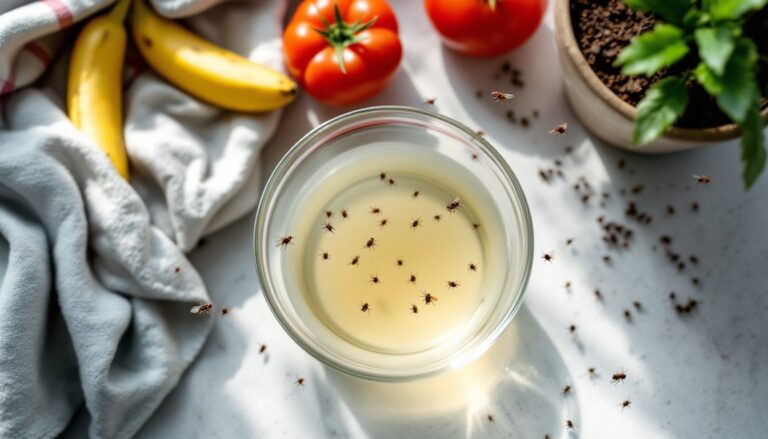
Traps (without poison) are useful for monitoring. A simple trap is a small container of water with a drop of dish soap and a dab of honey. Ants will drown, letting a homeowner track population size and entry points, but traps alone won’t eliminate a colony. Use them alongside baiting for best results.
Proactive sealing matters: once ants are dying off, seal their entry points with caulk to prevent reinvasion. Baseboards, gaps around plumbing, and cracks in grout should be addressed. Use paintable silicone caulk (easier to apply than standard caulk) and let it dry fully before exposing it to water or food.
Natural and Chemical Solutions
For those preferring natural options, diatomaceous earth (food-grade) is effective. This powder is harmless to humans but lethal to insects: it damages their exoskeletons and causes dehydration. Sprinkle it around baseboards, under cabinets, and on surfaces where ants travel. Reapply after sweeping or if it gets wet, since moisture reduces its effectiveness. Wear a dust mask when applying to avoid inhalation.
Cinnamon and borax-based solutions are popular DIY alternatives. A simple recipe is equal parts sugar and borax mixed with water to form a paste, or a few drops of borax in a sugar-water solution. Soak cotton balls in the mixture and place them on ant trails. Borax is a mild irritant, so keep it away from children and pets, and wash hands after handling.
For stronger chemical control, insecticide sprays (pyrethrin-based or synthetic pyrethroids) kill ants on contact but won’t reach the colony. These are useful for isolated sightings but less effective for an established infestation. Always read the label, wear gloves and eye protection, and ensure good ventilation. Never spray on food preparation surfaces or where food is stored.
The reality: baiting beats spraying. One or two applications of quality bait typically resolves an infestation in 5–10 days. Multiple applications may be needed if reinvasion occurs.
Prevention Strategies Every Homeowner Should Know
After eliminating sugar ants, prevention keeps them from returning. The habits that discourage ants are straightforward but require consistency.
Sanitation is the first line of defense. Wipe down counters and tables immediately after meals, sweep crumbs, and don’t leave dishes in the sink overnight. Store open foods (sugar, honey, flour, cereal) in airtight containers or sealed bags. Pet food dishes should be emptied after meals or covered. A single crumb or sticky residue can restart an ant highway, so think of your kitchen as a place where cleanliness directly translates to pest prevention.
Moisture control is equally critical. Fix leaky faucets and pipes, wipe down sinks and counters to eliminate standing water, and check under cabinets for hidden leaks. Use a dehumidifier in damp areas like basements or bathrooms. Ants need water as much as food, so removing moisture sources cuts off half their supply line.
Sealing entry points creates a physical barrier. Caulk all gaps larger than 1/8 inch around baseboards, pipes, and electrical outlets. Check for damage in weather stripping around doors and windows, and repair or replace it if needed. Foundation cracks should also be sealed if accessible. This isn’t glamorous work, but it’s far cheaper than dealing with repeated infestations.
Outdoor maintenance prevents ants from establishing nests near your home’s perimeter. Keep mulch and compost piles at least 6 feet away from the house, trim branches that touch the roof or siding, and ensure gutters drain water away from the foundation. Ants often nest in these areas and migrate indoors when food sources become scarce outside.
For ongoing monitoring, place monitoring traps (simple bait stations with a small amount of honey or jam) in high-risk areas like the kitchen, pantry, and under sinks. Check them weekly. If ants appear after several weeks of prevention, it signals reinvasion, and a fresh round of baiting can address it before an infestation re-establishes.
When to call a professional: if baiting and sealing don’t resolve the problem within two weeks, or if ants return within a month even though good sanitation, an exterminator can apply more potent treatments or identify hidden nesting sites. Some infestations are too large or entrenched for DIY solutions, and that’s when professional help saves time and frustration.
Conclusion
Sugar ants are a persistent but manageable pest. Identification, targeted baiting, sealing, and rigorous sanitation work together to eliminate existing colonies and prevent future invasions. The key is acting fast and staying consistent with prevention habits. Most homeowners can solve a sugar ant problem in days without professional help, the secret is combining multiple tactics rather than relying on a single spray or trap. Start with bait, seal the entry points, clean thoroughly, and your home will be ant-free.